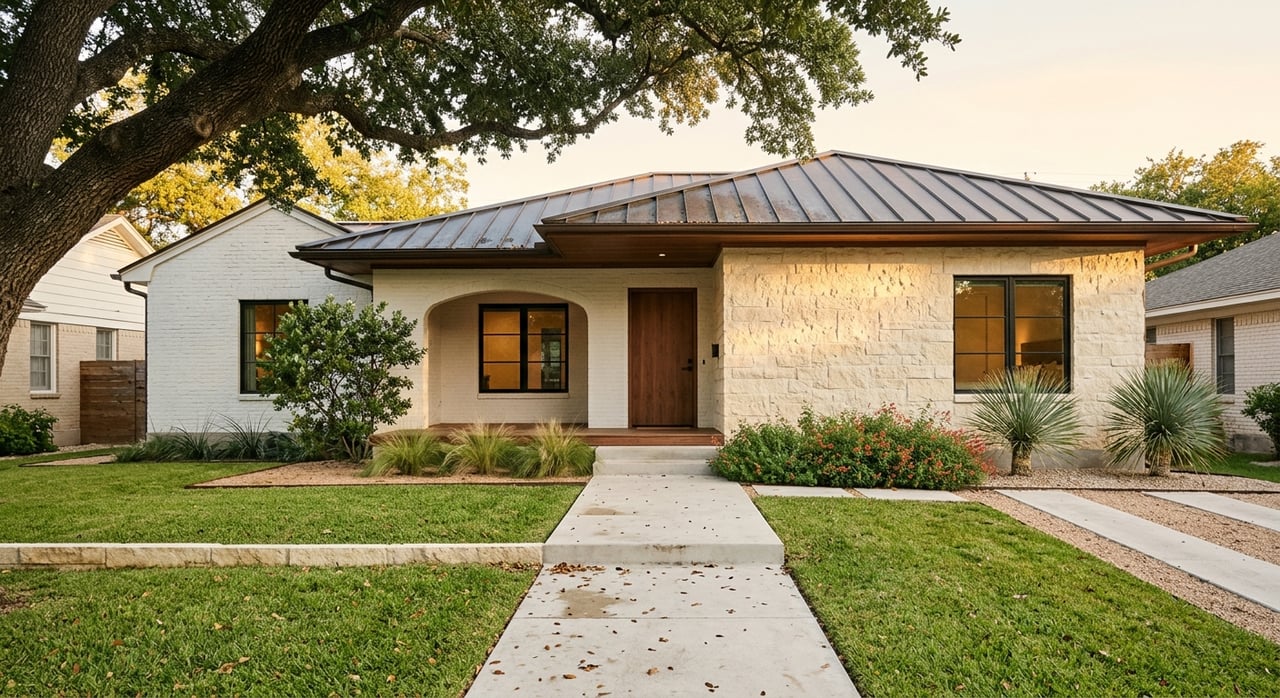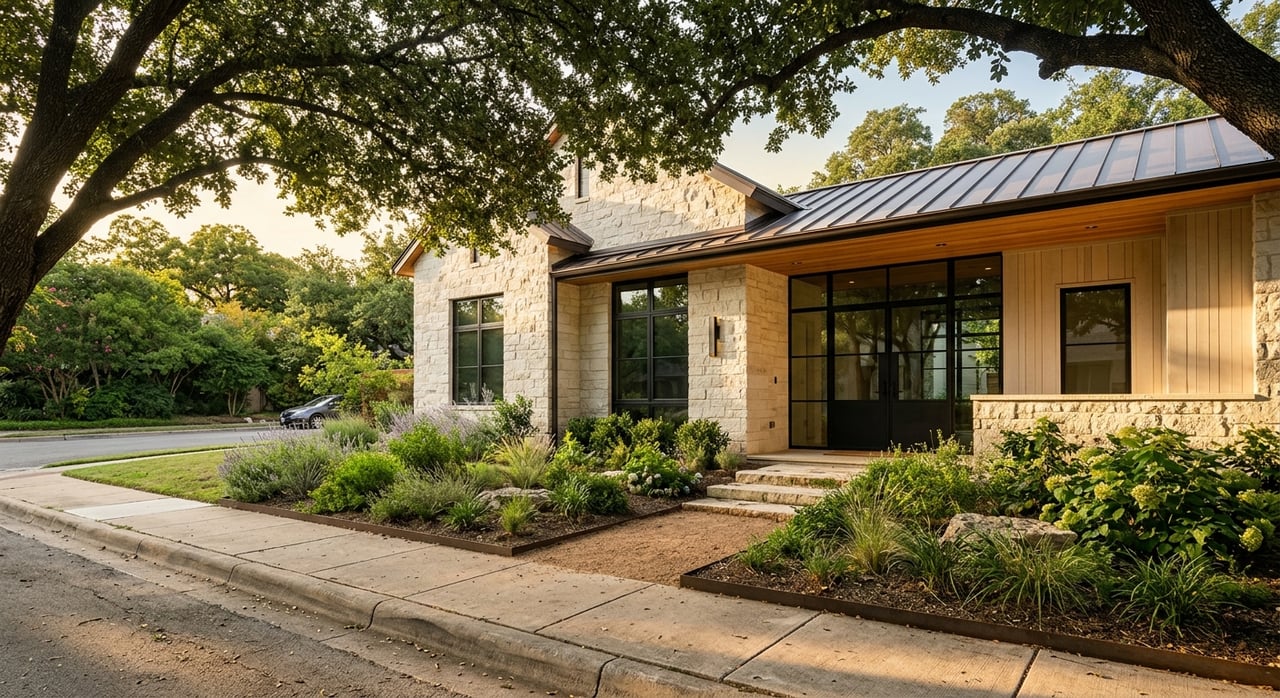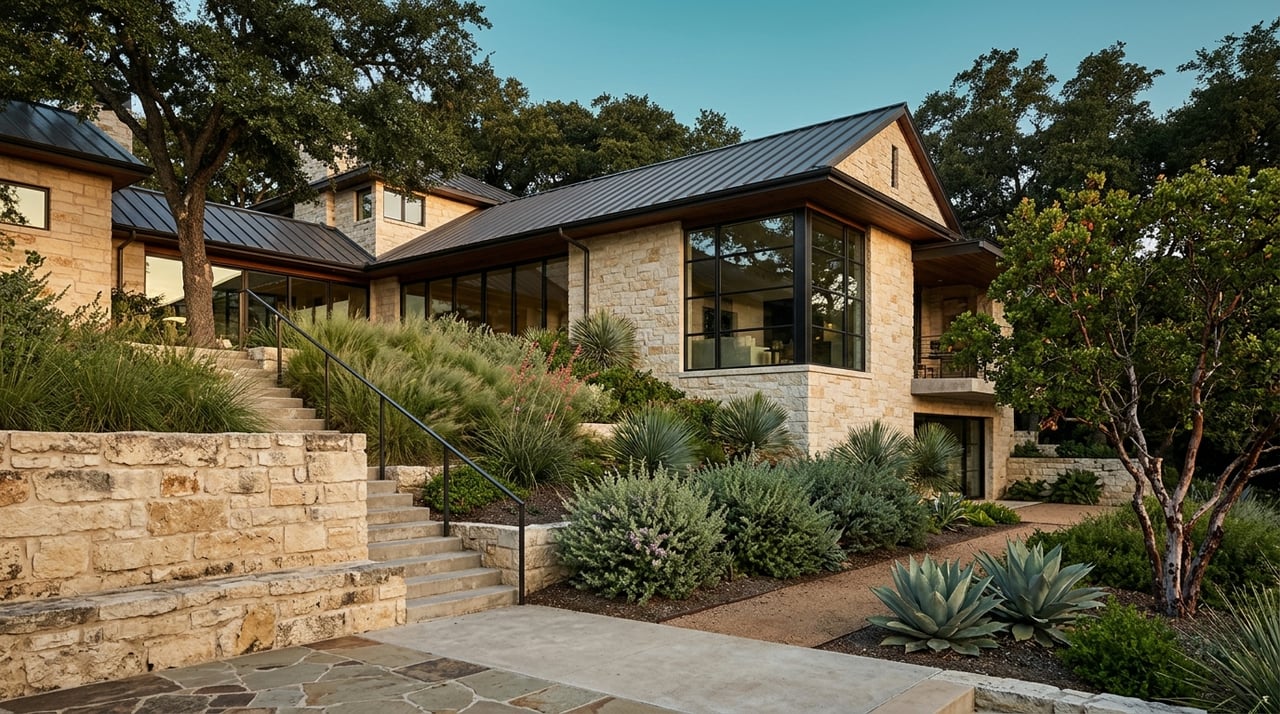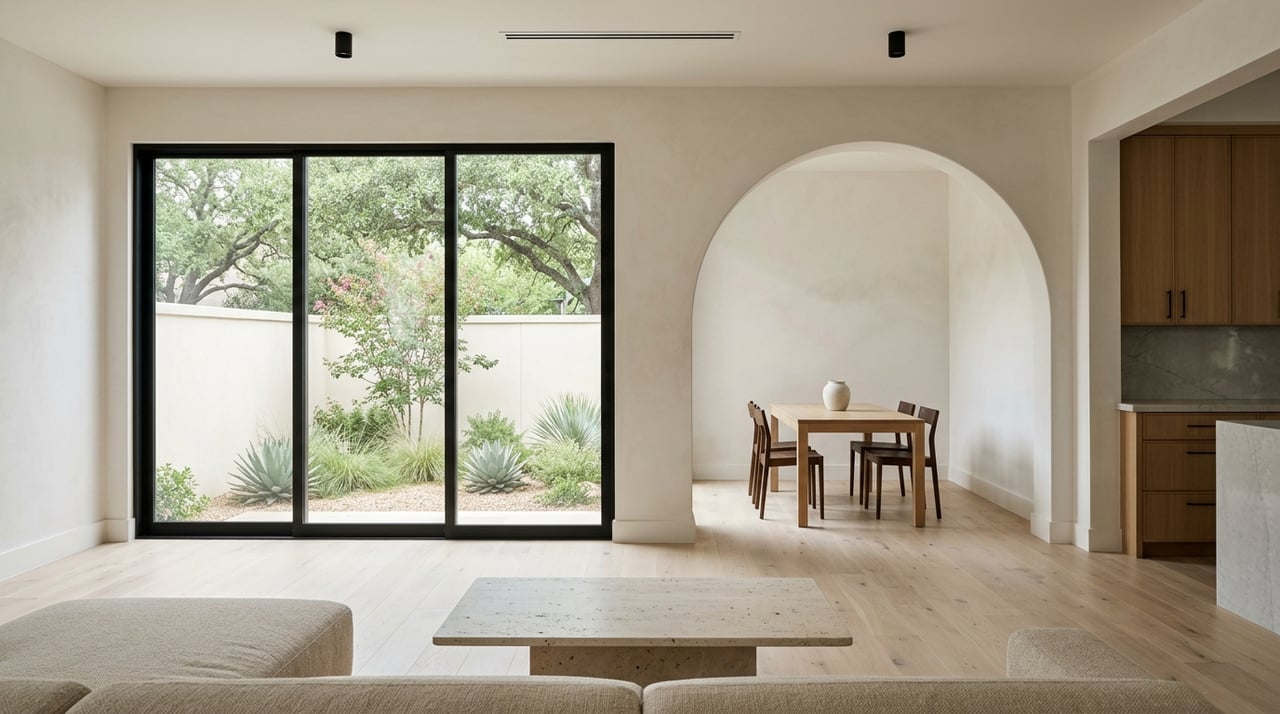
Wondering why one Central Austin home sells quickly near asking price while another sits, even when the square footage looks similar? In neighborhoods shaped by historic plats, redevelopment rules, and very different buyer priorities, pricing is rarely as simple as using a price per square foot. If you are preparing to sell a bungalow, a renovated classic, or a newer infill home, understanding how buyers and appraisers see value can help you price with far more confidence. Let’s dive in.
Why pricing is different in Central Austin
Central Austin is active, but it is not a market where almost any number works. April 2026 Unlock MLS data showed the city of Austin at a median residential sale price of $573,750, with 4.5 months of inventory and a 94.9% average close-to-list ratio. Pending sales were also up year over year, which suggests serious buyers are still in the market when pricing is well supported.
That creates an important takeaway for sellers. Buyers are engaged, but they are also price aware. A disciplined list price helps protect your leverage, while an overly optimistic number can make your home compete from a weaker position.
Central Austin homes are not interchangeable
A classic bungalow, a fully updated 1930s property, and a 2025 infill build may all sit within Central Austin, but they do not compete in exactly the same way. Buyers are often weighing different tradeoffs such as character versus efficiency, lot size versus newer construction, and cosmetic updates versus major system improvements.
That is why citywide averages are only background context. The strongest pricing strategy starts with micro-location, lot pattern, age, condition, and the kind of buyer your home is likely to attract.
How to price classic bungalows
Location history still affects value
In Central Austin, older homes often reflect the development story of the area around them. Austin Planning notes that Hyde Park includes many early 20th-century bungalows and transitional homes, while Smoot/Terrace Park began with country estates on larger parcels before filling in with more modest Craftsman bungalows.
Aldridge Place developed around access to the University of Texas and the streetcar line, and Castle Hill grew with direct access to downtown businesses and services. Those differences still matter today because parcel size, street context, and surrounding housing patterns can affect both buyer demand and what can happen with the property over time.
Lot and future use matter
Two bungalows with similar square footage can have very different values if one sits on a more generous lot or in a setting with different redevelopment possibilities. In many Central Austin pockets, buyers are not only purchasing the home as it stands today. They are also considering the land, the flexibility of the site, and the long-term use of the property.
That means list price should reflect more than charm and curb appeal. It should also account for the parcel itself, the surrounding context, and any limits on future changes.
Historic district rules can change pricing
If your home is in a local historic district, pricing needs another layer of analysis. Austin states that changes to contributing properties and new construction in these districts must go through historic review, and qualifying rehabilitation may be eligible for a city tax abatement.
Those rules can support value for buyers who appreciate preservation, but they can also limit the most profitable short-term redevelopment path. In practical terms, that means a historic bungalow may deserve a premium for character, documentation, and careful renovation, but it may not be priced as though the lot has unrestricted redevelopment potential.
How renovated homes earn a premium
Buyers pay for useful improvements
A renovation premium is not simply the amount you spent on the project. The 2025 Remodeling Impact Report found that consumers place the most value on better functionality and livability, followed by durable materials and visual appeal. That is a helpful filter when pricing a renovated Central Austin home.
If your updates solved real buyer concerns, your home may command stronger pricing. Improvements that make daily life easier, reduce near-term repair needs, or improve efficiency often matter more than highly personalized design choices.
Not every dollar spent becomes value
This is one of the biggest pricing mistakes sellers make. NAR appraisal guidance notes that value is often not the same as price or cost, which means a retrofit budget spreadsheet is not the right starting point for list price.
Instead, your pricing should reflect how the current market reacts to the work done. A clean interior paint job, an updated kitchen, or a replaced roof may support value because buyers recognize the benefit, but the market still decides how much of that investment shows up in the final number.
Cosmetic versus systemic upgrades
In Central Austin, buyers often look closely at whether a renovation was mostly cosmetic or whether it addressed the home's functionality and longevity. Fresh finishes can help presentation, but systemic improvements usually strengthen the pricing story more clearly because they reduce uncertainty.
When you position a renovated listing, it helps to separate surface-level changes from meaningful upgrades. That creates a more credible case for your asking price and gives buyers clearer reasons to engage.
How to price newer builds and infill homes
Newness alone is not enough
New construction often commands a premium, but that premium needs a clear reason behind it. DOE says certified efficient new homes can offer strong gains in energy savings, comfort, health, and durability, and ENERGY STAR notes that certified new homes are built better from the ground up and can deliver proven value.
For sellers, that means the pricing argument should focus on lower near-term maintenance, modern systems, efficiency, and durability. Simply being newer does not automatically justify a gap if nearby alternatives offer stronger lot appeal or a better fit for the same buyer.
Site constraints shape the comp set
A new build in Central Austin should not be benchmarked only against newer homes across the city. The historic development patterns in places like Hyde Park, Smoot/Terrace Park, Aldridge Place, and Castle Hill show that lot size, block pattern, and proximity to downtown or UT can materially shape what a site offers.
That is why a constrained infill lot may need a different pricing approach than a newer home on a more flexible parcel. Even among modern homes, the buyer pool can shift significantly based on lot utility, privacy, access, and neighborhood form.
What a strong comp set looks like
The most useful comparables in Central Austin should match four things as closely as possible:
- Micro-location within the neighborhood or pocket
- Lot pattern and site utility
- Age class and architectural type
- Improvement quality and condition
This is where many automated estimates fall short. A bungalow on a large lot, a renovated early-20th-century home, and a new infill property may all be nearby, but buyers are valuing different combinations of land, condition, efficiency, and future flexibility.
Why overpricing hurts leverage
Austin's April 2026 average close-to-list ratio of 94.9% shows that negotiation is still part of the market. Sellers can absolutely protect value, but the data also suggest there are limits to how far buyers will stretch when a list price is not well supported.
In other words, pricing high to leave room usually does not create leverage on its own. More often, a well-defended number gives you a better chance to attract serious interest and negotiate from a stronger position.
Appraisal and tax factors to keep in mind
In Texas, pricing decisions do not exist in a vacuum. Travis Central Appraisal District says market value is what a property would sell for as of January 1, and homeowners may protest their appraised value by May 15 or 30 days after the notice is mailed, whichever is later.
The Texas Comptroller also states that the appraised value of a qualified residence homestead generally cannot rise by more than 10% per year, excluding new improvements. For many owners, that makes resale strategy, tax expectations, and value documentation part of the same financial conversation.
If your Central Austin home includes a qualifying historic rehabilitation, Austin offers a city tax abatement for 100% of the city property taxes on the added value from rehabilitation for 7 to 10 years. That can matter for buyers evaluating the long-term cost picture of a carefully restored property.
A smarter way to think about list price
The best list price is not the highest number you can imagine defending. It is the number that makes sense for your exact home, your exact block or pocket, and the exact buyer most likely to compete for it.
In Central Austin, that usually means pricing through the lens of tradeoffs. Character, land, modernization, efficiency, and redevelopment limits all affect value differently depending on whether you are selling a bungalow, a renovated classic, or a newer build.
A finance-driven pricing strategy can help you cut through the noise. When you measure your home against the right comparables and present the right value story, you give yourself a better chance to attract strong offers without giving up negotiating power.
If you are thinking about selling in Central Austin and want a pricing strategy built around real neighborhood context, buyer behavior, and disciplined analysis, John Kossler can help you evaluate your home's position and plan your next move with confidence.
FAQs
How should you price a bungalow in Central Austin?
- You should price a Central Austin bungalow based on micro-location, lot size, street context, condition, and any historic district constraints, not just square footage.
Do renovations always raise a Central Austin home's value?
- No. Renovations can support a higher price when they improve functionality, durability, efficiency, or buyer appeal, but the market may not return the full cost of the work.
How do you price a new build in Central Austin?
- A Central Austin new build should be priced against similar homes in the same pocket with similar lot utility, site constraints, and finish quality, while also considering efficiency and lower near-term maintenance.
Do historic districts affect Central Austin home prices?
- Yes. Historic district rules can influence value by shaping what changes are allowed, what future use is possible, and whether a qualifying rehabilitation may receive a city tax abatement.
What does Austin's close-to-list ratio mean for sellers?
- Austin's average close-to-list ratio shows that buyers are still negotiating, so a defensible asking price is important if you want to protect leverage and attract serious offers.
Why are comparable sales so important in Central Austin?
- Comparable sales matter because Central Austin homes vary widely by lot pattern, age, renovation level, and neighborhood context, which means broad averages rarely tell the full pricing story.