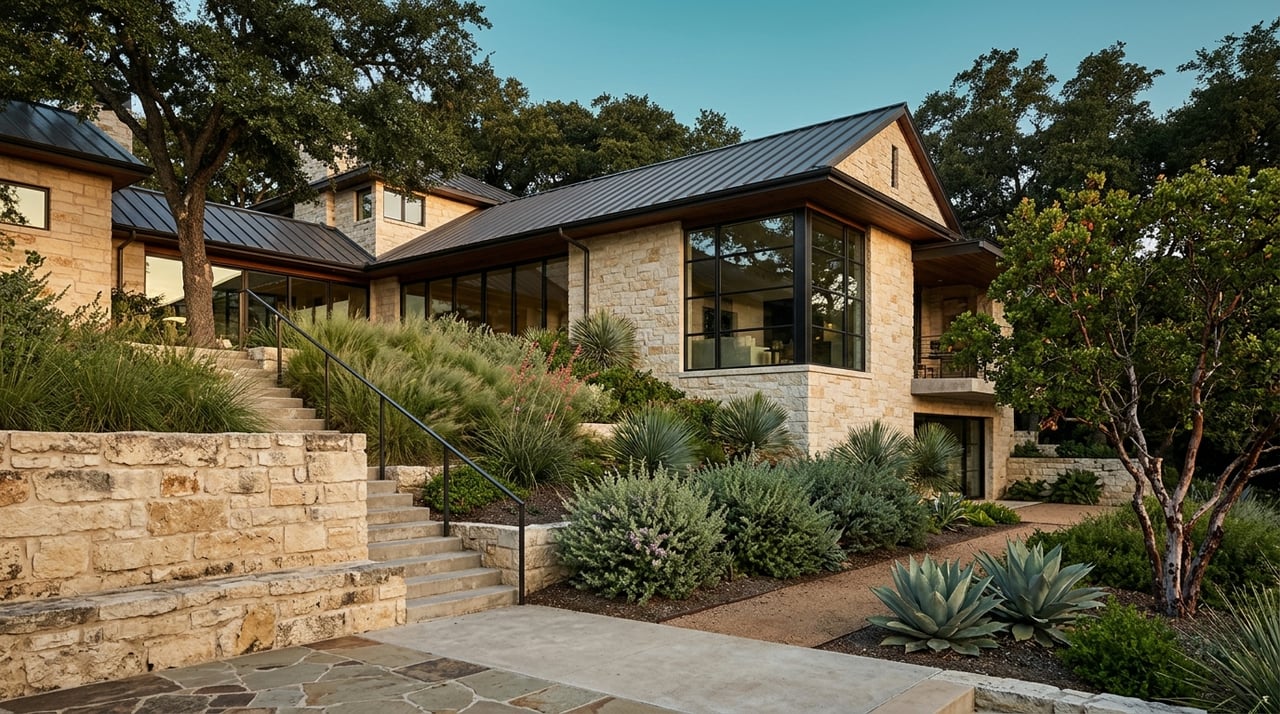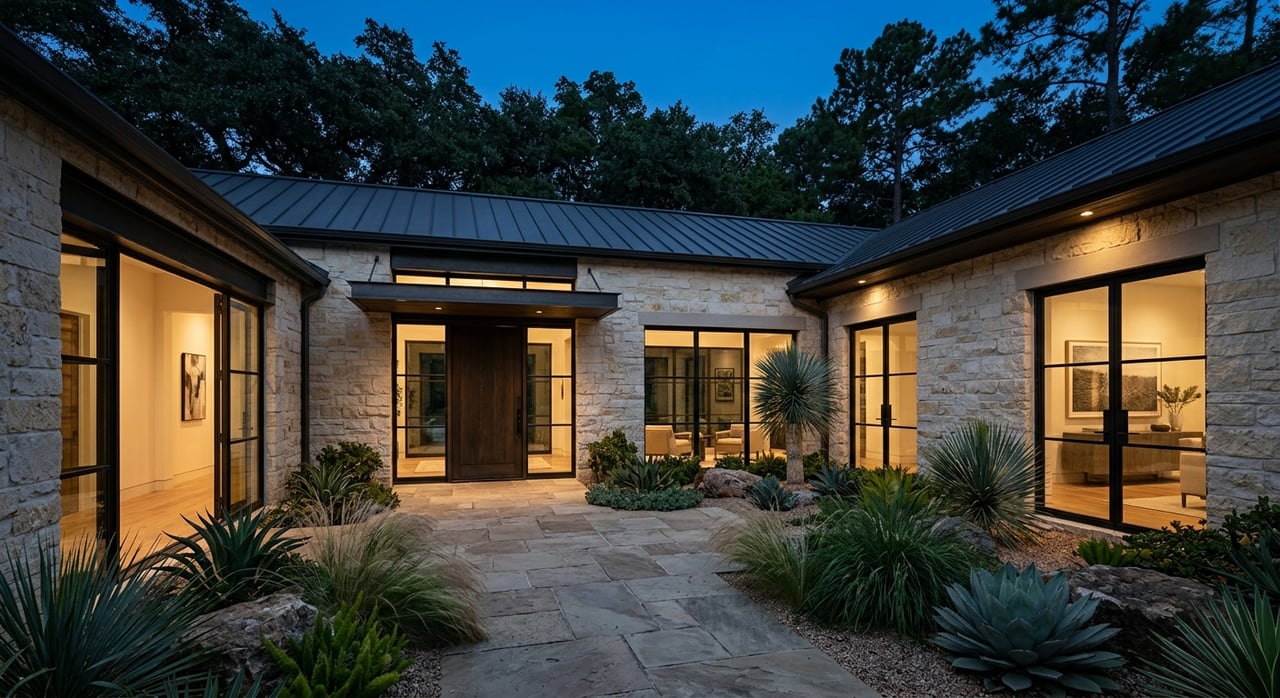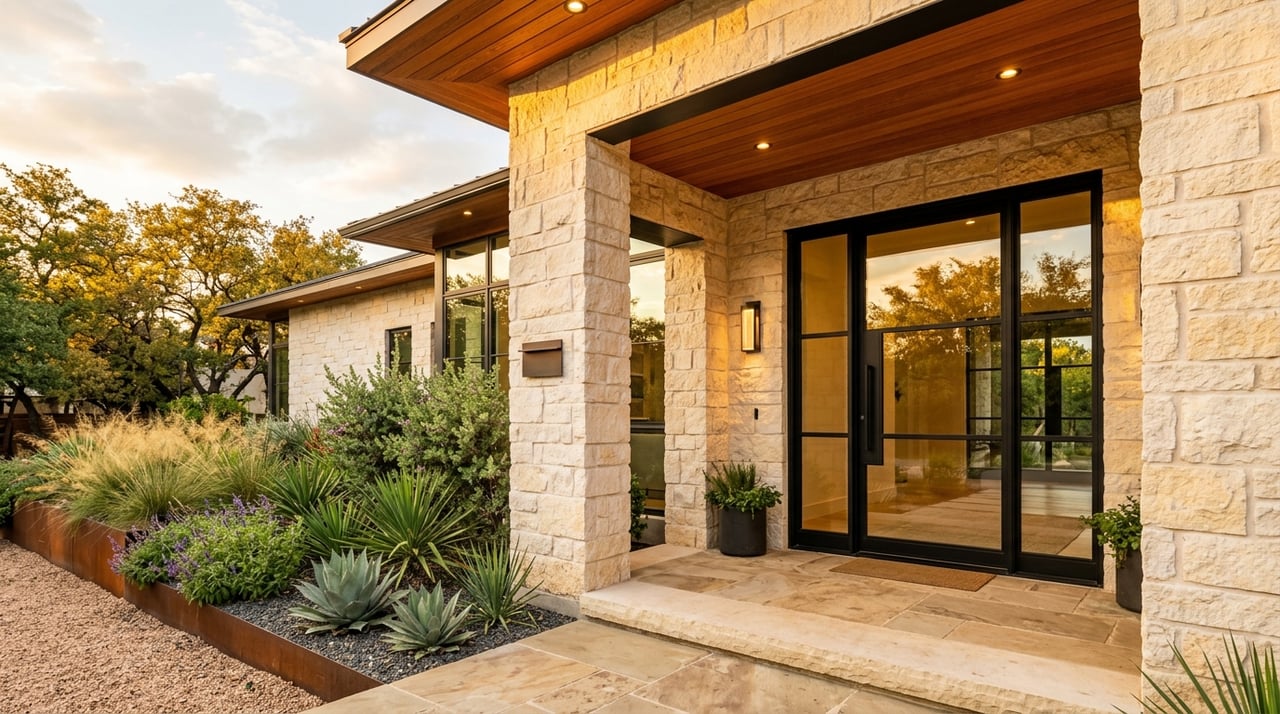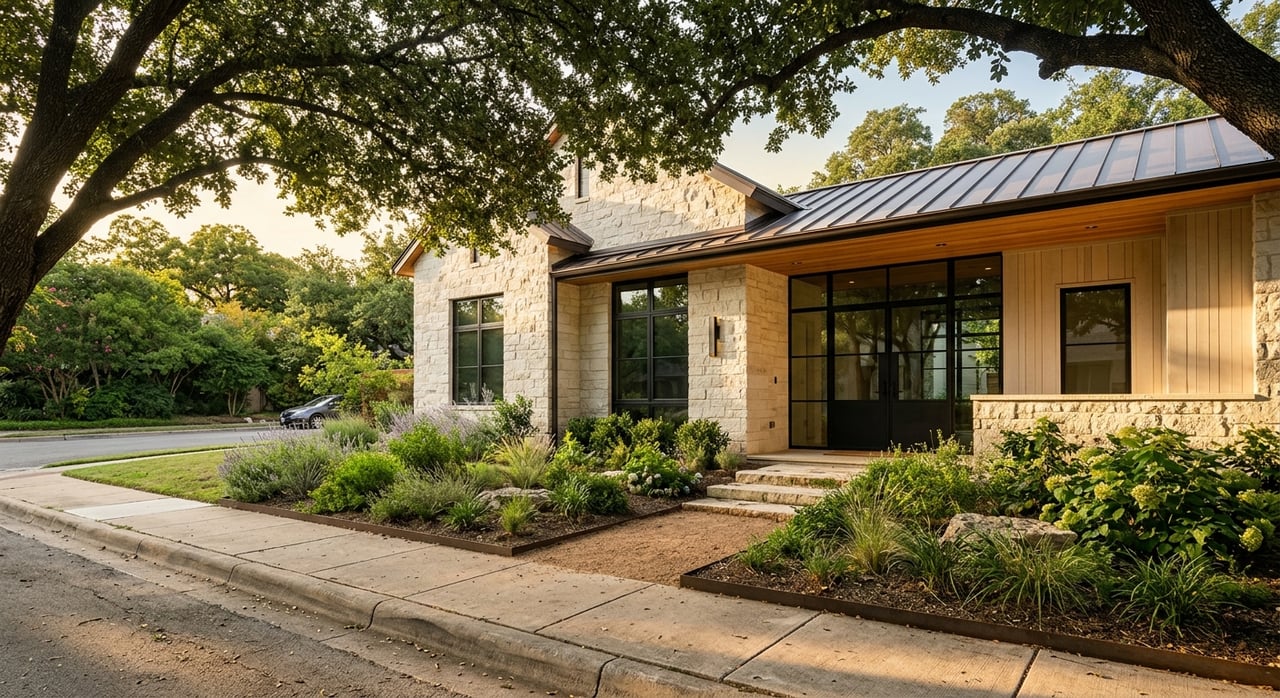
Looking for a place that makes everyday life feel a little easier without giving up Hill Country character? Bee Cave stands out because it blends suburban neighborhoods, outdoor spaces, shopping, dining, and civic amenities in one small city west of Austin. If you are weighing a move or simply trying to understand what daily life here really looks like, this guide will walk you through the parks, convenience, and day-to-day rhythm that define Bee Cave. Let’s dive in.
What Bee Cave Feels Like
Bee Cave describes itself as a thriving community at the gateway to the Hill Country, located between downtown Austin and the lakes. In practical terms, that means you get a residential suburban setting with a strong retail and dining core, plus easy access to outdoor recreation.
This is not a dense urban downtown. Bee Cave is better understood as a collection of neighborhoods and nearby communities, with daily life often centered around local parks, major roads, and the Galleria area.
The city’s current Census estimates put the population at 8,510. It also reports a 50% owner-occupied housing rate and a median owner-occupied home value of $699,100, which gives you a useful snapshot of the local housing context.
Bee Cave Neighborhood Pattern
Inside the city limits, Bee Cave includes neighborhoods such as Falconhead, Falconhead West, The Grove, Homestead, Ladera, Meadow Fox, Uplands, Wildwood in Bee Cave, Canyonside, Lakes Edge, Cottages at Spillman Ridge, Signal Hill, Creeks Edge, East Village, and Twin Acres. Nearby communities commonly associated with the area include Lake Pointe, Spanish Oaks, Belvedere, Sweetwater Ranch, West Cypress Hills, and Provence.
That neighborhood mix shapes the day-to-day experience. Instead of one single center of gravity, you will find distinct residential enclaves connected to shopping, services, and recreation by key roads and trail links.
Bee Cave also leans into its Hill Country identity. The city holds designations including Bee City USA Affiliate, International Dark Sky Community, and Certified Scenic City, which support its image as a place that values natural setting and visual character.
Parks In Bee Cave
One of Bee Cave’s strongest lifestyle advantages is its park system. The city’s parks and recreation mission focuses on creating a sense of place through parks, trails, open spaces, and arts and culture, and that shows up clearly in the amenities available to residents.
Bee Cave Central Park
Bee Cave Central Park is a major local asset at 50 acres. It includes large and small pavilions, playscapes, and restroom facilities, making it practical for everything from a quick playground stop to a longer family outing.
For many households, this is the kind of park that becomes part of a weekly routine. It gives you open space and usable amenities rather than just a patch of green on a map.
Bee Cave Sculpture Park
Bee Cave Sculpture Park offers a different outdoor experience. The 7-acre park includes permanent and rotating sculptures, a spring-fed pond, native plants, large oak trees, and free wireless.
That combination makes it feel both functional and distinctive. You can go for a quiet walk, enjoy public art, or simply take a break in a setting that reflects Bee Cave’s scenic identity.
Bee Cave Dog Park
If you have pets, the Bee Cave Dog Park adds another layer of convenience. It includes separate fenced areas for small and large dogs, along with drinking water and shaded seating.
Those details matter in everyday use. A dog park that is well set up can make routines easier and give you another nearby place to spend time outdoors.
Primitive Park And Historic Spaces
The Bee Cave/Falconhead West Primitive Park adds a more rugged option for hiking and mountain biking. The city also includes the Old Bee Cave School House among its park-related destinations, which adds a local historic touch to the public spaces mix.
Together, these amenities show that Bee Cave is not just focused on retail growth. The city has invested in a fuller lifestyle picture that includes recreation, gathering spaces, and cultural identity.
Trails And Short-Trip Convenience
Bee Cave’s trail system helps connect daily destinations in a way many suburban areas do not. The Bee Cave Hike and Bike Trail runs 1.5 miles from Falconhead Boulevard south along 620 to Central Park and then continues to the Galleria shopping center.
That route is especially important because it ties together recreation and errands. You are not only getting a trail for exercise. You are getting a path that can support short local trips between neighborhoods, parks, and shopping.
Local Trail Highlights
- The Central Park perimeter trail runs just over a mile
- The Primitive Park trail offers more rugged hiking and mountain biking terrain
- The Primitive Park trail also connects Bee Cave and Lakeway
- The city’s inner loop is designed to link the Hill Country Galleria and the Shops at the Galleria
According to the city’s Connectivity Plan, the broader trail network is intended to provide safe, convenient transportation across Bee Cave while linking neighborhoods, parks, schools, retail, restaurants, and offices. It is also meant to help reduce traffic congestion, which is a meaningful goal in a road-oriented community.
Shopping, Dining, And Errands
If you want a community where errands can be handled efficiently, Bee Cave has a strong case. The city highlights its retail, dining, and events scene, and the Connectivity Plan identifies the Hill Country Galleria and the Shops at the Galleria as the city hub and main retail establishments.
For day-to-day living, that central hub matters. It gives Bee Cave a clear focal point for shopping, meals out, and basic services.
A Central Civic Core
One of the more practical parts of Bee Cave living is how several civic and family-oriented destinations cluster around the Galleria Parkway area. City Hall, the Bee Cave Library, the Police Department Justice Center, the Historical Schoolhouse, and park pavilions are grouped nearby.
That setup can make routine stops more efficient. You may be able to combine a library visit, a park stop, and another errand in one area rather than driving across a larger metro footprint.
Bee Cave Public Library
The Bee Cave Public Library is another standout amenity. It serves as a year-round community resource with youth and adult programming, digital resources, about 10,000 active cardholders, and roughly 32,000 books, DVDs, and other items.
For buyers comparing suburban areas, amenities like this often matter more than they first expect. A well-used library can become part of your weekly routine, whether you want programs, materials, or simply another community space close to home.
Getting Around Bee Cave
Bee Cave offers direct regional access, but it is still important to set realistic expectations about travel. The city sits west of Austin and places itself centrally between SH 71, 620, and Bee Caves Road, with Austin listed as the nearest city of more than 50,000 people at 14.1 miles away.
That location works well for people who want Hill Country surroundings with access to Austin. At the same time, major road convenience does not always mean fast travel at every hour.
What To Know About Traffic
TxDOT describes Loop 360 as a major north-south corridor connecting US 183 and US 290/SH 71, serving both commuters and local traffic. TxDOT also notes severe congestion along the corridor.
Its 2025 SH 71 fact sheet says the corridor west of Bee Cave experiences significant congestion and often serves as the sole access to subdivisions, businesses, and schools. In simple terms, Bee Cave is well connected by road, but travel times can vary, especially during peak periods.
The Daily Transportation Tradeoff
For longer trips, Bee Cave remains mostly car-dependent. For shorter local trips, the city’s trail network adds meaningful walk and bike options, especially around Central Park and the Galleria area.
That balance is a big part of the local lifestyle. You get direct road access for regional travel, plus localized alternatives that can make nearby outings feel more connected and convenient.
Is Bee Cave Just A Retail Hub?
It is a fair question, especially for people whose first impression comes from the Galleria area. The strongest fact-based answer is no.
Bee Cave’s own materials consistently present the city as a blend of residential neighborhoods, retail and office uses, outdoor recreation, and community gathering spaces. The parks system, trail planning, library, civic buildings, and neighborhood structure all support that broader identity.
If you are trying to picture daily life here, think of Bee Cave as a small Hill Country city with a strong commercial center rather than a shopping district with homes around it. That distinction matters when you are evaluating whether the area fits your routine and long-term goals.
Why Daily Convenience Matters
When you choose where to live, the biggest quality-of-life factors are often the small ones you experience every week. Can you get to a park easily? Is there a practical place to walk, bike, or take the dog? Can you combine errands without losing half your day in the car?
Bee Cave offers a compelling answer to those questions. Its combination of neighborhood living, local trails, civic amenities, parks, and retail concentration gives you a day-to-day setup that can feel both efficient and connected to the Hill Country setting.
For buyers focused on upper-mid and luxury single-family homes, that kind of convenience can also support long-term appeal. The lifestyle story here is not just about a home itself. It is about how the city functions around you once you move in.
If you are exploring Bee Cave and want a clear, data-driven view of how specific neighborhoods, home values, and lifestyle tradeoffs compare, John Kossler can help you evaluate the market with the kind of local insight and strategic guidance that makes your next move more confident.
FAQs
What is daily life like in Bee Cave, Texas?
- Bee Cave daily life blends suburban neighborhoods, a central retail and dining hub, parks, trails, and civic services in a small Hill Country city west of Austin.
What parks are available in Bee Cave?
- Bee Cave parks include Bee Cave Central Park, Bee Cave Sculpture Park, Bee Cave/Falconhead West Primitive Park, Bee Cave Dog Park, and the Old Bee Cave School House.
Does Bee Cave have walking or biking trails?
- Yes. Bee Cave has a trail system that includes the 1.5-mile Bee Cave Hike and Bike Trail, the Central Park perimeter trail, and a more rugged Primitive Park trail that connects Bee Cave and Lakeway.
Is Bee Cave convenient for shopping and errands?
- Yes. The Hill Country Galleria and the Shops at the Galleria serve as the city hub, and several civic destinations, including City Hall and the Bee Cave Library, are clustered nearby.
How far is Bee Cave from Austin?
- The city lists Austin as the nearest city with more than 50,000 people, about 14.1 miles away.
Is traffic a factor when living in Bee Cave?
- Yes. TxDOT reports congestion on Loop 360 and significant congestion along SH 71 west of Bee Cave, so travel times can vary even though the road network is direct.
What kind of housing setting does Bee Cave offer?
- Bee Cave is best understood as a subdivision-based suburban market with distinct neighborhoods and nearby Hill Country communities rather than a single dense downtown area.