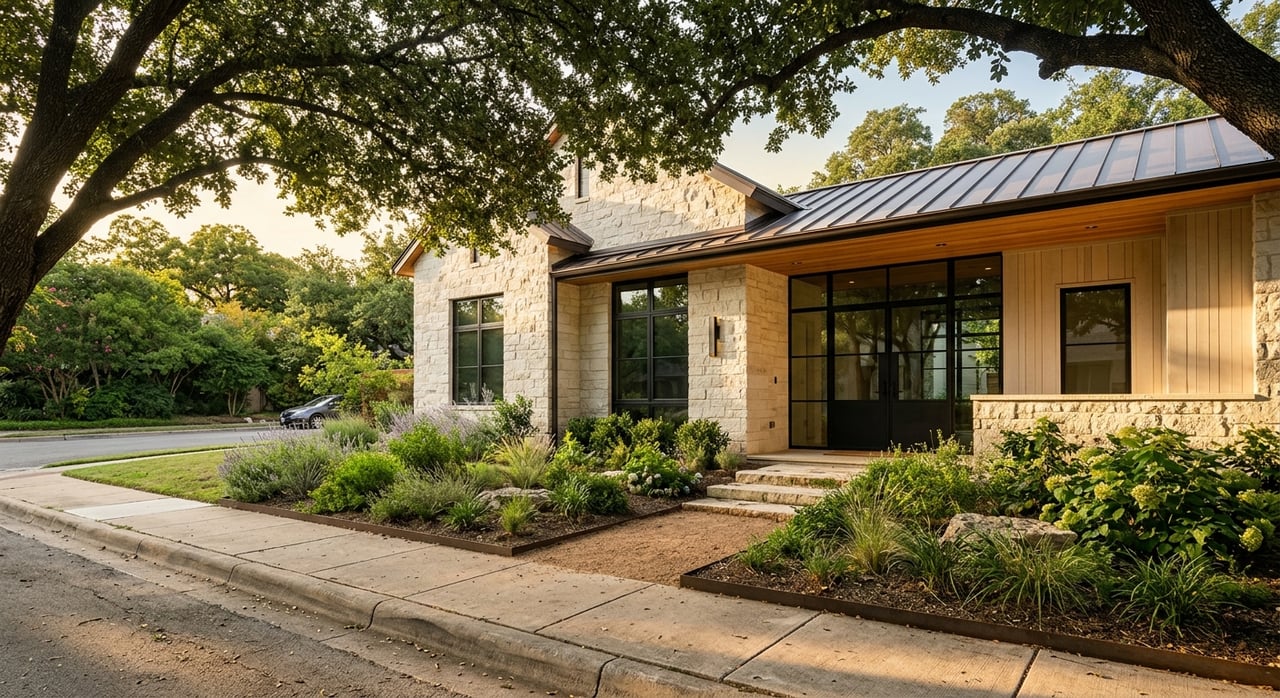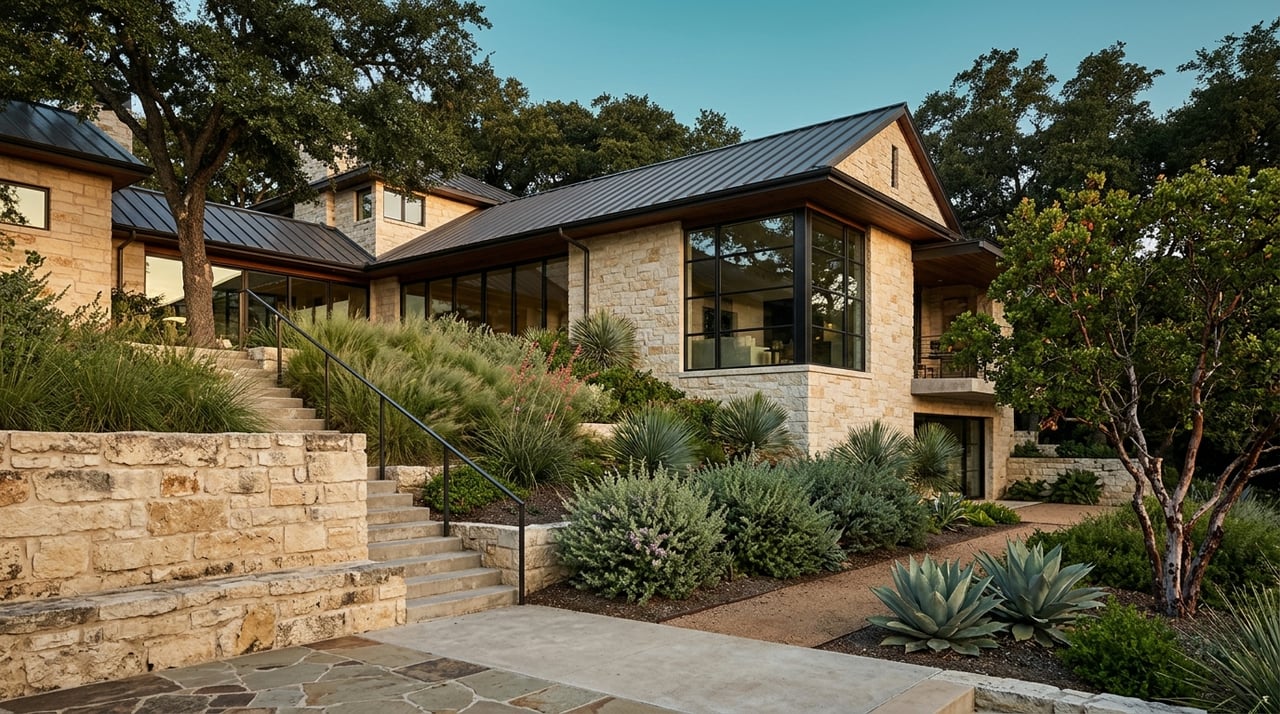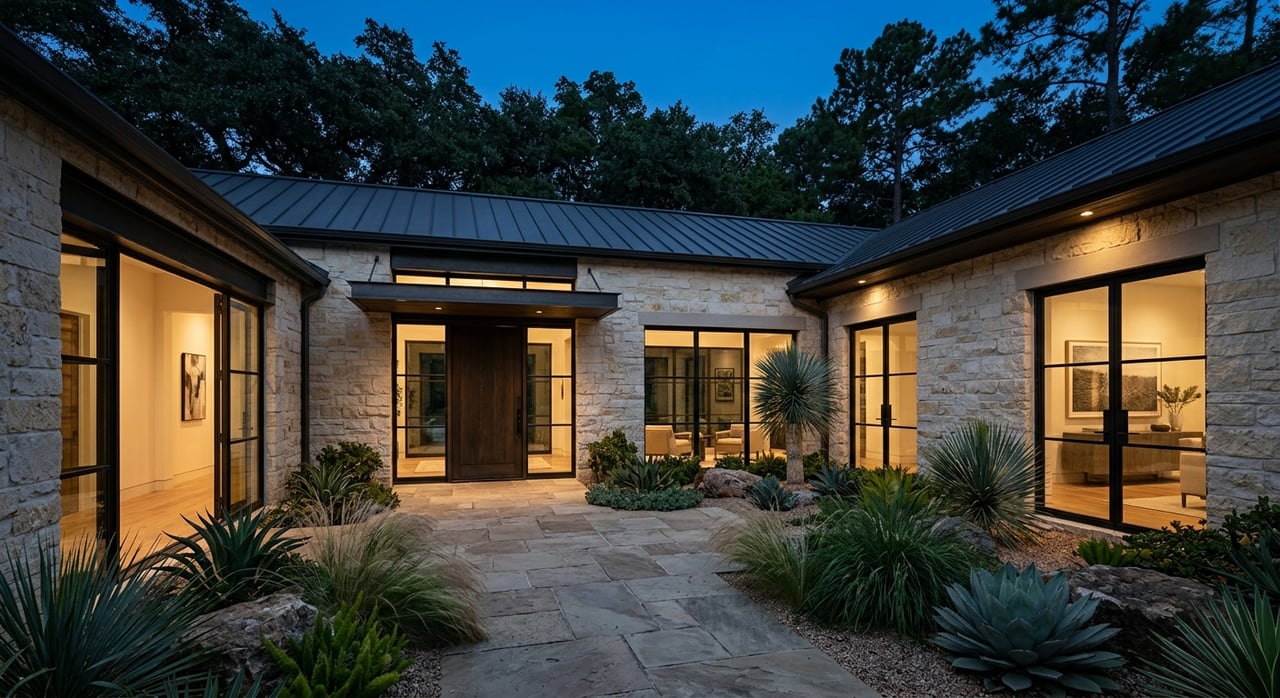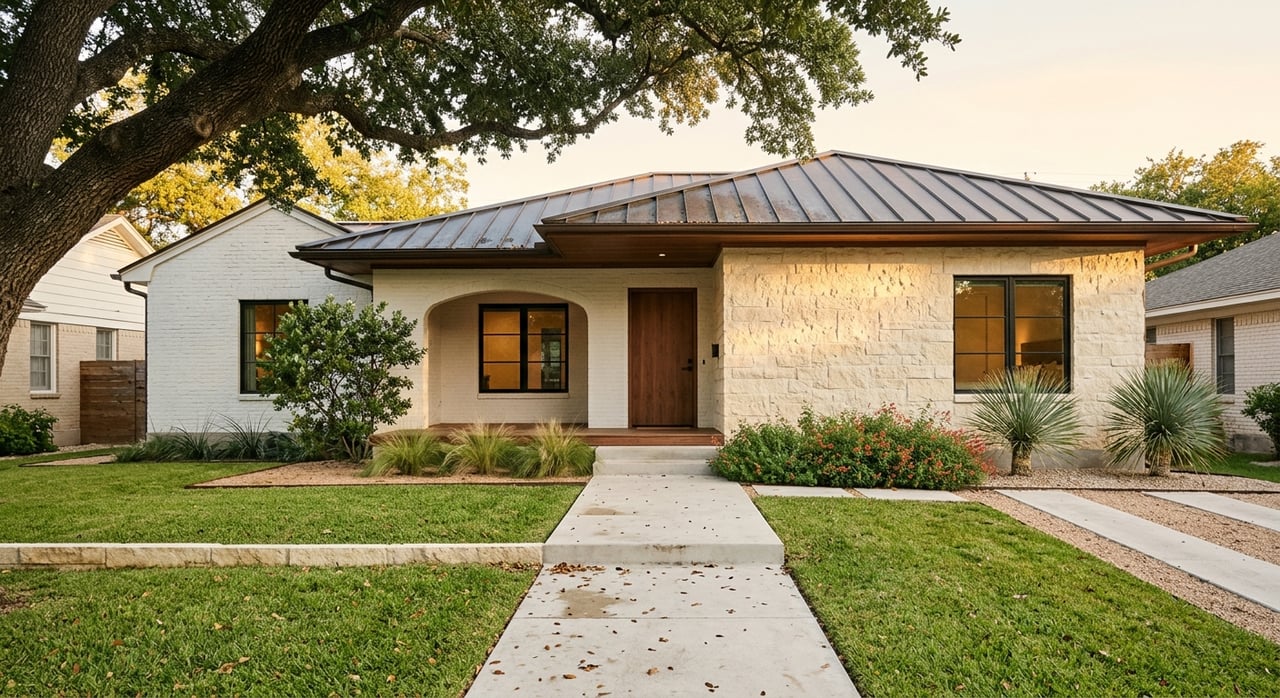
Wondering if Central Austin is the right place to move up without moving out? For many buyers, that question comes down to three things: how much space you can realistically get, whether the home has the character you want, and how your day-to-day life will feel once you are there. If you are weighing older homes, newer infill, and premium pricing in the urban core, this guide will help you think through the tradeoffs with clarity. Let’s dive in.
Why Central Austin Appeals to Move-Up Buyers
Central Austin is not one uniform neighborhood. It is better understood as a cluster of urban-core areas that includes places like Downtown, Old West Austin, Hyde Park, Travis Heights, Bouldin Creek, Cherrywood, West Campus, and more within the broader central city fabric.
That matters because your options can vary a lot from block to block. In a relatively small area, you can find older character homes, estate-style lots in some pockets, dense infill, condos, and attached housing. For a move-up buyer, that creates more choice, but it also means you need a sharper decision framework.
The broader central Austin profile helps explain the demand. Census Reporter’s central Austin PUMA shows 159,401 residents across 27.1 square miles, with a density of 5,887 people per square mile, a median age of 31.8, median household income of $91,527, and 80.4% of residents holding a bachelor’s degree or higher.
In plain terms, this is a younger, highly educated, higher-income urban market. Buyers here often prioritize location, convenience, and neighborhood feel, even if that means accepting less lot size than they might find farther from the core.
Space Looks Different in Central Austin
If you are moving up, “more space” does not always mean a bigger yard or the largest house possible. In Central Austin, space can mean a better layout, a more usable lot, an extra flex room, or the ability to expand later.
Older central neighborhoods reflect Austin’s early growth patterns. Hyde Park, for example, developed as a streetcar-era suburb and includes Queen Anne, Classical Revival, and bungalow architecture. Other historic districts, such as Smoot/Terrace Park, began with larger country-estate parcels.
That history shows up in the housing stock today. Some blocks feel distinctly prewar and compact, while others offer deeper lots or more room to rework the property over time.
Common Home Types You May See
Central Austin has a wide mix of housing types, especially compared with outer-ring neighborhoods. According to the Central Austin Combined Neighborhood Plan, the area includes homes built mostly by the mid-1930s, with some dating to the 1800s, plus duplexes, triplexes, ADUs, row houses, small apartment buildings, and condominiums.
You are likely to see:
- Older bungalows
- Renovated historic homes
- Smaller prewar single-family houses
- Duplexes and triplexes
- Row houses and townhome-style product
- Condos
- Newer infill homes
That variety can be a real advantage. If you want a single-family home with character, it exists. If you prefer lower-maintenance attached housing in a central location, that is also part of the normal inventory mix.
What “Move-Up” Often Means Here
In many suburban markets, moving up usually means more square footage, a bigger yard, and newer construction. In Central Austin, the equation is more nuanced.
You may be buying for one or more of these reasons:
- A better location closer to the core
- More architectural character
- A more functional floor plan
- A lot with future expansion potential
- A shorter or more flexible commute
- A lifestyle with easier access to daily destinations
That is why move-up buyers in Central Austin often compare value differently. Instead of asking only, “How big is the house?” they also ask, “How well does this home support the way we want to live?”
Character Comes With Tradeoffs
Central Austin’s appeal is not just about geography. It is also about the feel of the homes and streetscapes.
Many buyers are drawn to mature trees, older architecture, layered neighborhood fabric, and houses that do not feel interchangeable. But character can come with rules, costs, and design limits that are important to understand before you buy.
Historic Status Can Affect Your Plans
Austin has nearly 700 historic landmarks, 8 local historic districts, and 18 National Register historic districts. The city’s Historic Landmark Commission reviews exterior changes and demolitions for designated or potentially eligible properties.
If you love the look of an older home, that does not mean you should avoid it. It does mean you should verify whether future remodeling, additions, or teardown-and-rebuild plans could trigger historic review.
For some buyers, that preservation layer is part of the appeal. For others, it is a practical constraint that should be weighed early.
Some Homes Offer Flexibility to Expand
Austin’s Residential Infill Tools, HOME amendments, and ADU rules were designed to expand housing choices and make smaller-lot or additional-unit projects easier in many cases. The city defines an ADU as a separate dwelling unit on the same property as a single-family home.
That can make certain central properties attractive if you are thinking ahead. A house that works today and has room for a future addition, ADU, or small-scale redevelopment can offer a different kind of move-up value.
Still, feasibility is never automatic. Zoning, lot size, historic status, and deed restrictions all matter.
Newer Updates Still Need to Fit the Block
One reason Central Austin often feels updated without losing its identity is that city planning documents emphasize compatibility. The Central Austin Combined Neighborhood Plan calls for new single-family construction to respect local vernacular traditions, and for new multifamily work to stay compatible with nearby historic houses through similar setbacks, roof forms, heights, materials, and colors.
For you as a buyer, that helps explain why some blocks feel cohesive even as homes are renovated or rebuilt. It also means thoughtful design tends to matter more here than in areas where change is less constrained.
Lifestyle Is a Major Part of the Value
For many move-up buyers, Central Austin is less about getting the maximum footprint and more about improving daily life. The value often shows up in smaller moments: less time in the car, easier errands, and more options for how you move through the city.
The central Austin PUMA reports a mean commute of 20.6 minutes, compared with 24.2 minutes citywide. That does not sound dramatic on paper, but over time, a shorter average trip can noticeably change your weekly rhythm.
Citywide commuting patterns still show Austin as a car-aware city, with 58% driving alone, 25% working from home, 3% using public transit, 3% walking, and 1% bicycling. Even so, central neighborhoods often offer more flexibility than areas farther out.
Daily Convenience Is a Real Upgrade
City planning reinforces the central lifestyle advantage. The Downtown Austin Plan calls for connected streets and public spaces, a multimodal transportation system, and trails that reach surrounding neighborhoods.
Austin’s Urban Trails Plan describes trails as part of everyday life, including school drop-offs, grocery runs, park visits, exercise, and neighborhood connections. The city’s transit-oriented development framework also supports compact, walkable, mixed-use communities near transit stops.
That does not mean every block feels equally walkable or every routine becomes car-free. It does mean Central Austin is shaped by a planning direction that supports shorter errands and more mixed-mode routines.
Parking Still Matters
There is one lifestyle reality that move-up buyers should not ignore: parking. On denser central blocks, street parking can be tighter, and Austin operates a residential permit parking program in some areas.
This may seem like a small detail during an online home search, but it can have an outsized effect on everyday convenience. If your household has multiple vehicles, frequent guests, or regular curbside needs, parking deserves serious attention during the home tour process.
Budget Requires Clear Priorities
Central Austin is premium-priced relative to both the city and the state. Census Reporter shows a median value of owner-occupied housing units at $895,900 in the central Austin PUMA, compared with $571,000 citywide.
That price gap tells you something important. In Central Austin, buyers are often paying more for location, character, renovation quality, and convenience than for sheer size alone.
Recent market context also matters. In March 2026, Unlock MLS reported a metro median home price of $426,220, 5.5 months of inventory, and a city of Austin median residential home price of $550,000.
That suggests a more balanced environment than the pandemic surge years, even though Central Austin remains a premium segment. Buyers may have more room for careful analysis, but they still need discipline because not every high-priced home offers the same long-term value.
How to Evaluate a Central Austin Move-Up Home
When you compare homes in Central Austin, bed and bath count is only part of the picture. The strongest decisions usually come from evaluating the property as both a home for today and an asset that fits your future plans.
A useful checklist includes:
- Whether the lot may support a future addition or ADU
- Whether historic review could limit remodeling plans
- How parking feels on the block, not just in the driveway
- How much of your budget is going toward location versus size
- Whether the layout supports work-from-home, guests, or changing household needs
- Whether the property’s updates feel thoughtful and compatible with the surrounding area
This is where a data-driven approach matters. In a market with mixed housing types, varying lot patterns, and premium pricing, small details can have a major impact on both lifestyle and resale.
The Best Fit Is About Tradeoffs
Central Austin can be an excellent fit if you want more than a larger home. It can offer a richer mix of character, convenience, flexibility, and urban access than many outer-ring options.
But the right purchase usually comes from being honest about your tradeoffs. Are you willing to pay more for location? Is historic charm worth potential design constraints? Would you rather have a smaller lot with a better daily routine?
If you answer those questions clearly, Central Austin becomes easier to navigate. And when you match your priorities to the right block, property type, and long-term plan, a move-up purchase here can deliver much more than extra square footage.
If you want help comparing Central Austin options with a clear, analytical strategy, John Kossler offers boutique guidance for buyers who want to balance lifestyle goals, property value, and smart negotiation.
FAQs
What types of homes are common for move-up buyers in Central Austin?
- Central Austin includes older bungalows, renovated historic homes, smaller prewar houses, condos, duplexes, triplexes, row houses, and newer infill, so move-up buyers often choose between character, flexibility, and convenience rather than one standard home type.
Can you add an ADU or expand a home in Central Austin?
- Often yes, but what is possible depends on zoning, lot size, historic status, and deed restrictions, so each property needs case-by-case review.
Is Central Austin a good choice for commuters?
- It often is, especially for buyers who want shorter trips to the core and more flexibility to combine driving, walking, biking, transit, and work-from-home routines.
Why is Central Austin more expensive than many other Austin areas?
- Central Austin carries premium pricing because buyers are often paying for location, character, convenience, and renovation quality, not just square footage.
What should families consider when buying in Central Austin?
- Families often look closely at yard size, parking, school logistics, block density, and whether the home is a classic single-family property or a denser infill product.