Thinking about trading long commutes for a central address near Downtown and the University of Texas? If you love walkable blocks, coffee on every corner, and a quick hop to parks and live music, Central Austin can be a great fit. At the same time, you should expect higher prices, smaller lots, and busier streets than many suburban areas. In this guide, you’ll learn how Central Austin feels day to day, what homes look like, how you get around, and what to know before you buy. Let’s dive in.
Central Austin at a glance
Central Austin covers the neighborhoods within a few miles of the Capitol and UT Austin. You’ll find a mix of historic streets in Clarksville, Old Enfield, and Hyde Park, lively student areas in West Campus, and bustling corridors like South Congress and Red River. The energy is urban and active, with museums, venues, and jobs close by.
The streets shift block to block. Some are shaded, gridded, and quiet with sidewalks and mature trees. Others sit near nightlife or retail with heavier foot traffic. You’ll see early 20th‑century bungalows, mid‑century homes, small multifamily buildings, and modern infill. Close to campus and downtown, there’s a higher share of rentals. A bit farther out, you’ll find more owner‑occupied houses.
If you want daily needs within a short walk or bike ride, Central Austin delivers. Many residents grab groceries, hit a fitness class, and meet friends for tacos without getting on a freeway.
Homes, architecture, and what’s being built
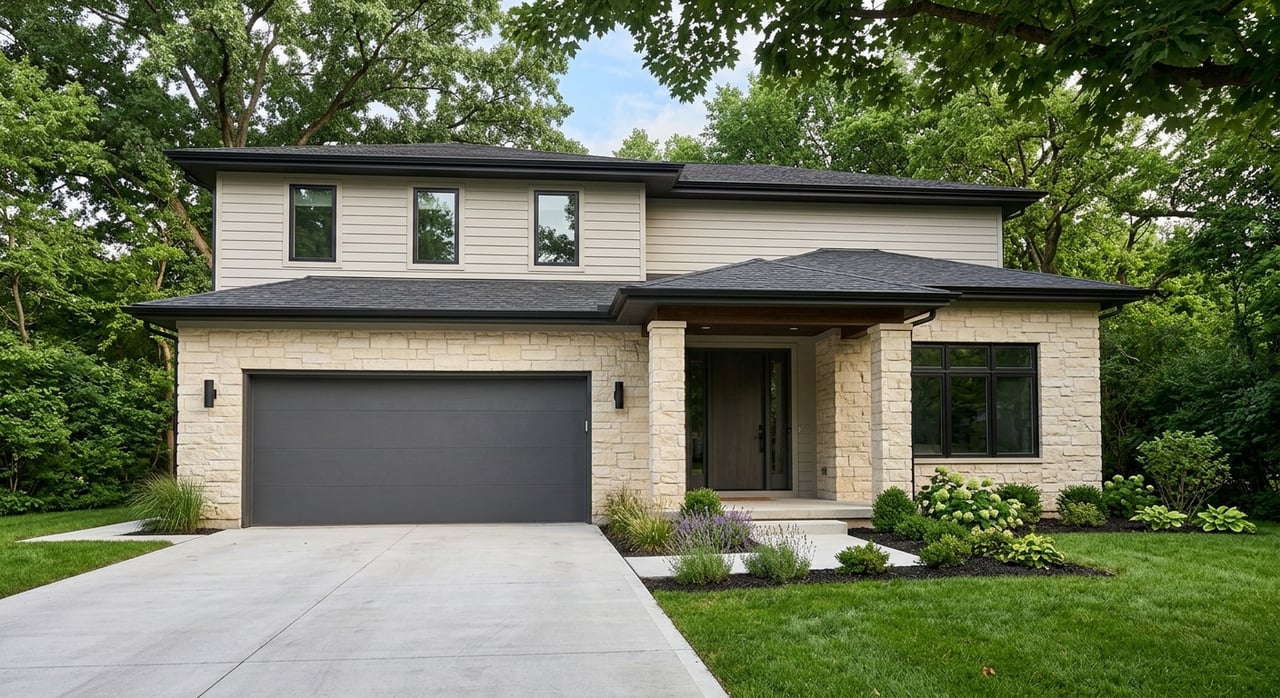
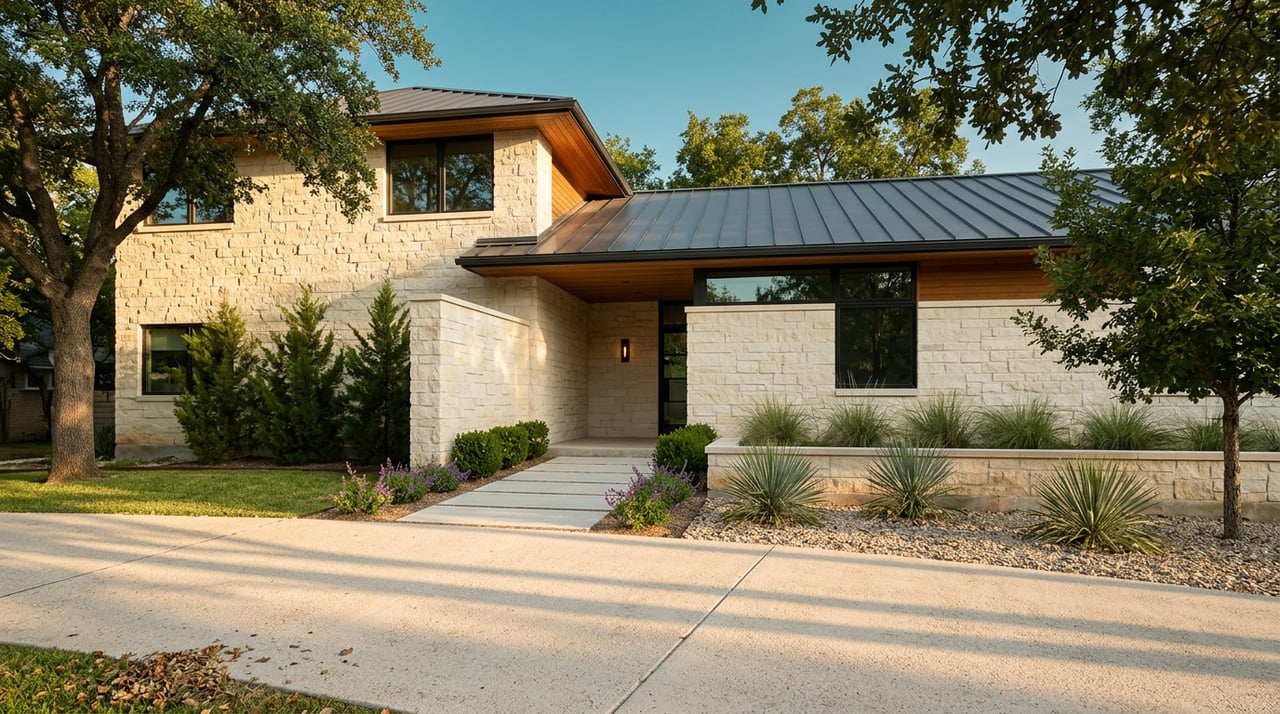
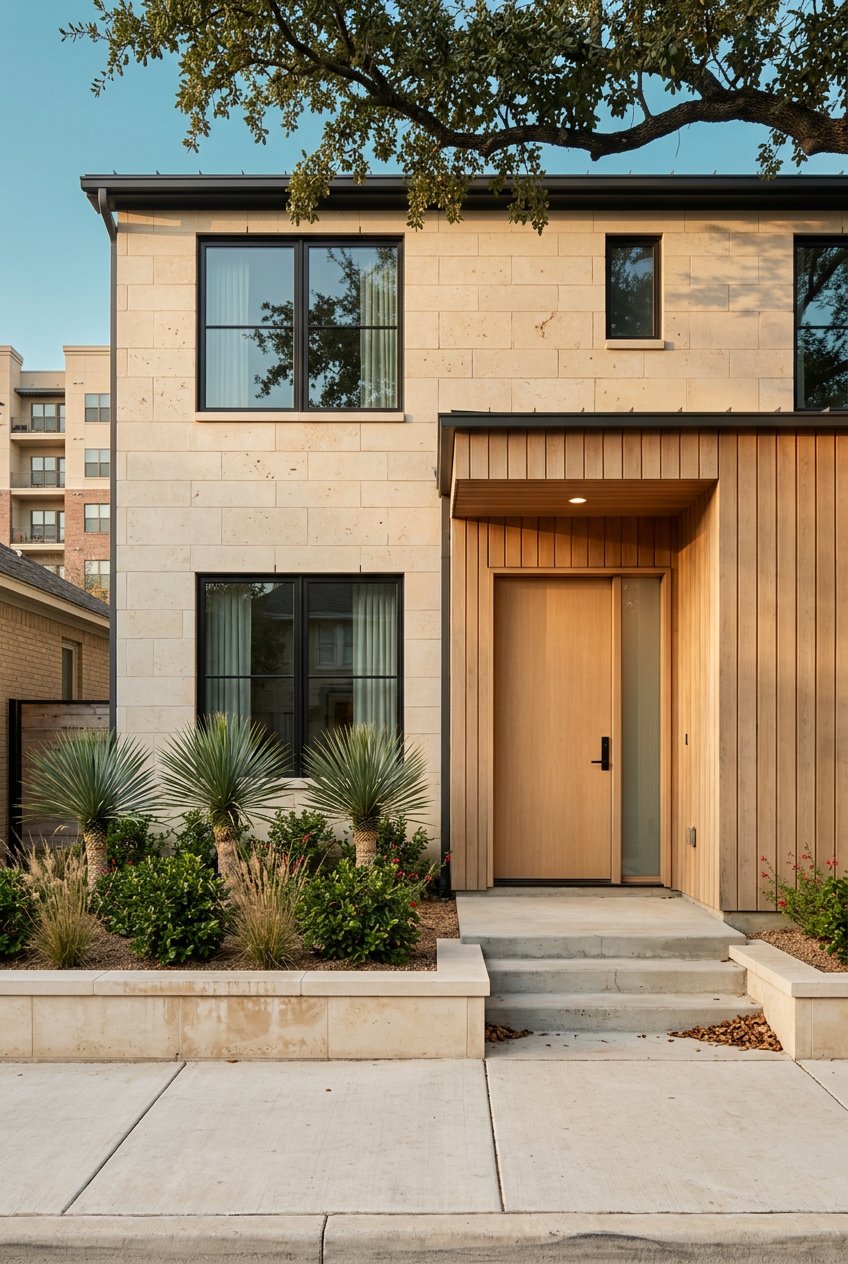
You’ll see an unusually wide range of homes for a small area. Historic Craftsman bungalows sit near mid‑century ranches, duplexes, townhomes, and newer small‑lot single‑family builds. Along major streets, mid‑rise condos and mixed‑use buildings add more options for low‑maintenance living.
Desirable historic homes and well‑located lots tend to command premiums. Smaller lots are common, and many properties appeal to buyers planning careful renovations or new construction that fits the street.
Zoning and overlays to know
Much of Central Austin is zoned single‑family with allowances for duplexes in some cases, while commercial corridors allow mixed‑use or multifamily. Parts of Clarksville, Hyde Park, and other historic pockets include Neighborhood Conservation Combining Districts and historic overlays that shape what you can demolish or change. Before you plan a renovation, verify rules through the City of Austin Planning Department.
ADUs and short‑term rentals
Many central lots are eligible for accessory dwelling units. Recent code changes made ADUs easier in several single‑family zones, but size, setbacks, and utility rules still apply. Start with the City of Austin to confirm what’s possible on a specific address.
If you’re considering short‑term rental income, Austin requires permits and has specific operating rules. Review current short‑term rental regulations with the City of Austin and verify what is allowed for your property type and location.
Market dynamics
Central Austin stays in demand because of location, jobs, and lifestyle. Inventory can be tight, and time on market varies by block, property condition, and price point. For the latest neighborhood‑level pricing and trends, check reports from the Austin Board of REALTORS and local MLS data.
Getting around without the grind
Walking, biking, and transit
If you work downtown or near UT, walking and biking are popular. The Lady Bird Lake Hike‑and‑Bike Trail, Shoal Creek Trail, and protected bike lanes create practical routes across the core. You’ll also see scooters and bike‑share for short trips.
Capital Metro serves central routes with frequent buses and UT shuttles, and the MetroRail connects downtown to the broader corridor. Plan trips or check routes on Capital Metro’s website.
Driving and parking
Central corridors like I‑35 frontage, Lamar, Guadalupe, and South Congress get busy during peak hours. Many residents default to non‑car options for short errands. On‑street parking can be tight in dense areas and near nightlife. Some blocks use Residential Permit Parking or time limits. You can learn more through the City of Austin’s parking and mobility resources.
Parks, trails, and outdoor life
Central Austin’s outdoor culture is a big part of its appeal. The Lady Bird Lake Trail draws runners and cyclists at all hours, with easy access to kayaking and stand‑up paddleboarding. Zilker Park offers wide‑open lawns and hosts major events. Shoal Creek and Pease Park carve green corridors through the city, and the Boardwalk along the lake adds skyline views to your daily loop.
If you value quick access to the outdoors, these parks make a car‑free morning workout or an after‑work reset simple.
Coffee, food, and nightlife
Central Austin lives up to its reputation for coffeehouses, food trucks, and eclectic dining. You’ll find tourist‑friendly shopping and restaurants on South Congress, student‑centric storefronts near West 24th and Guadalupe, and late‑night eats around East 6th and the Red River corridor. Sixth Street and Rainey Street bring live music and crowds on weekends.
This scene is a plus if you enjoy nightlife and walkability. It can also mean higher noise levels near venues. If quiet evenings are a priority, test a property at different times of day and week.
Practical buyer checklist
Costs and ownership
- Expect higher prices than many outlying neighborhoods due to land value and proximity. For current medians by ZIP, use ABoR’s market reports or recent MLS data.
- Account for property taxes and insurance. The Travis County Appraisal District is a useful starting point for tax assessments and exemptions.
- If you’re eyeing a condo, review HOA fees, reserves, and rules. For older single‑family homes, budget for updates to HVAC, roof, plumbing, and electrical.
Rules that affect use
- Historic overlays and Neighborhood Conservation Combining Districts may limit demolition and exterior changes. Verify overlays with the City of Austin Planning Department.
- ADUs are often possible but regulated. Confirm current standards through the City of Austin.
- Short‑term rentals require permits and compliance. Review the City of Austin’s STR requirements before you buy with STR plans.
Flood, trees, and inspections
- Parts of Central Austin near creeks and Lady Bird Lake fall within mapped floodplains. Check the city’s resources on flood risk and mapping at the City of Austin flood information page.
- Mature trees add beauty and shade but can impact foundations or utilities. Have a qualified inspector review roots, soil, and drainage.
- In older homes, look for signs of settling, outdated plumbing, older electrical, and possible asbestos in legacy materials.
Visit like a local
- Walk to the nearest grocery, pharmacy, trail, and a few restaurants to get a feel for daily convenience.
- Test parking and street noise during weekday mornings, evenings, and weekend nights.
- Ask about upcoming developments, traffic calming, or permit parking on the block.
Safety and data checks
- Safety can vary block to block. For objective insight, review neighborhood‑level data and mapping via the Austin Police Department.
- Use official sources for facts and planning: City of Austin, Capital Metro, Travis County Appraisal District, Austin Board of REALTORS, and the U.S. Census Bureau for demographic context.
Is Central Austin right for you?
Choose Central Austin if you want a short trip to Downtown and UT, easy access to parks and trails, and a high density of dining, music, and local businesses. You’ll trade larger lots and quiet cul‑de‑sacs for an active street life, smaller yards, and the occasional late‑night crowd near entertainment districts.
If you’re weighing a historic home versus a modern infill or condo, think about your tolerance for maintenance, parking needs, and proximity to nightlife. If school assignment matters, review official district boundary maps to confirm the specific campus tied to your address. The right fit often comes down to your daily habits and what you value most.
How we help buyers in Central Austin
Central Austin rewards careful homework. You need clarity on zoning, overlays, ADU feasibility, and flood risk before you write an offer. You also need pricing grounded in current comps and neighborhood micro‑trends. That is where boutique, data‑driven guidance can make the difference.
If you want a clear plan for neighborhoods, property types, and offer strategy, reach out to John Kossler for a no‑pressure consult.
FAQs
How close is Central Austin to Downtown and UT?
- Most central neighborhoods sit within a few miles of the Capitol and campus. Walking, biking, and short rideshare trips are common for daily commutes.
Is Central Austin walkable and bikeable?
- Yes, many areas are very walkable and bike‑friendly. You have the Lady Bird Lake Trail, Shoal Creek, and protected lanes, plus frequent buses via Capital Metro.
What kinds of homes will I find?
- You’ll see historic bungalows, mid‑century homes, duplexes, townhomes, small multifamily, and mid‑rise condos along major corridors. Renovated properties and tasteful infill are common.
Can I build an ADU or do short‑term rentals?
- Many lots allow ADUs with size and setback rules. Short‑term rentals are regulated and require permits. Confirm details with the City of Austin.
Will nightlife noise be an issue?
- It depends on the block. Homes near Sixth Street, Rainey, South Congress, or busy corridors can hear weekend noise. Visit at multiple times to test sound levels.
How do I check safety data for a specific address?
- Review official crime data and mapping from the Austin Police Department, then compare conditions at different times of day.
What should I budget for besides the purchase price?
- Plan for property taxes, insurance, potential updates in older homes, and HOA or condo fees if applicable. Start with the Travis County Appraisal District for tax guidance.