Are buyers scrolling past your listing photos or saving them? In today’s Central Austin market, more inventory gives buyers choices, so the homes that feel move‑in ready win attention and stronger offers. You can stage to highlight what makes your bungalow or mid‑century home special while still meeting modern expectations. In this guide, you’ll learn room‑by‑room tactics, budgets, and a simple checklist tailored to Central Austin. Let’s dive in.
Why staging matters in Central Austin now
Local reports show Austin has moved toward a more balanced market with more active listings and slower sales compared with the peak years. That shift gives buyers more leverage, which raises the bar for presentation and pricing strategy. Recent coverage of market conditions underscores why a polished, staged listing stands out.
National research also points to staging’s benefits. Agents consistently rank the living room, primary bedroom, and kitchen as the most important rooms to stage for buyer response. Industry summaries of NAR’s staging findings reinforce where to focus your budget.
Know your home’s era and audience
Central Austin blends early‑20th‑century bungalows and Craftsman cottages with mid‑century homes and modern renovations. You want buyers to see authentic character and easy daily living at the same time.
Bungalows and Craftsman: protect character
- Palette: Use warm neutrals that complement wood trim, such as soft creams, warm grays, and muted greens or blues.
- Furniture scale: Select smaller‑scale sofas and chairs so rooms feel open and functional. Create conversational groupings that fit the footprint.
- Built‑ins and trim: Keep original features visible. Use light styling to show function without clutter.
- Porches and entry: Treat the front porch like an outdoor room with a simple bistro set and a couple of native planters.
- Floors and rugs: Let attractive hardwoods show. Use a rug sized to the seating area so the room reads larger.
- Kitchens and baths: Keep counters clear. If you have period charm and updated hardware, style to show both.
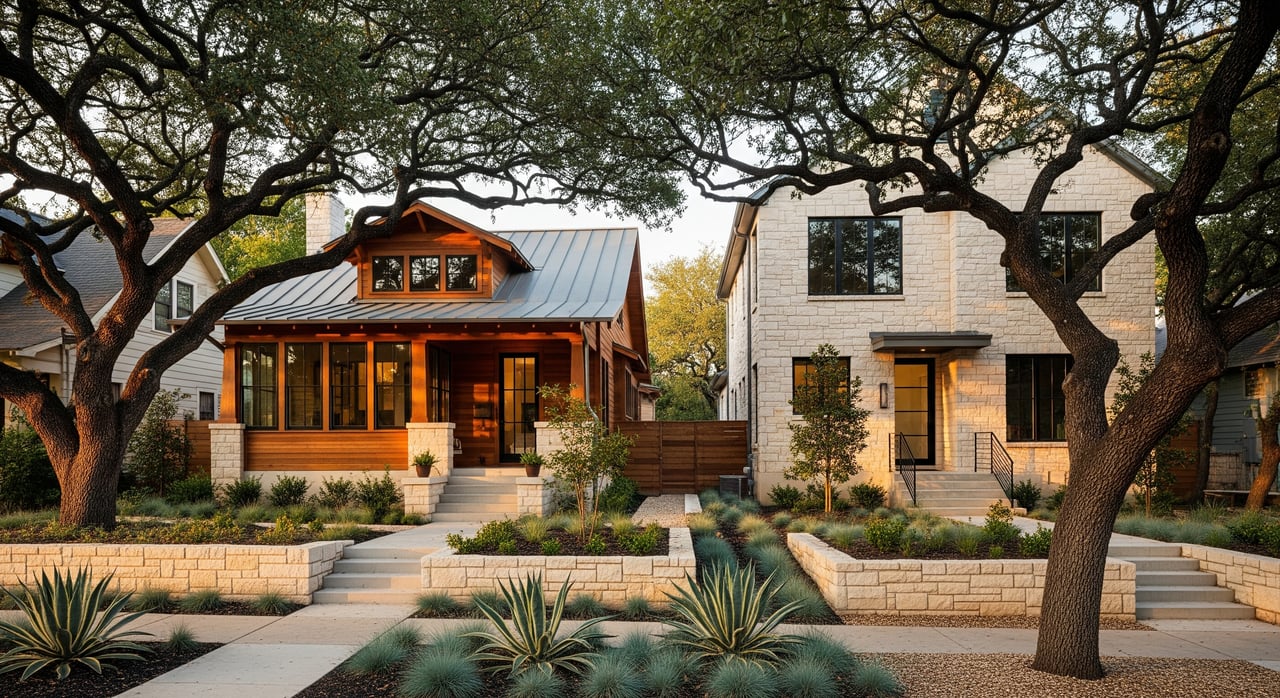
- Curb appeal: Trim and tidy. Add mulch and a few drought‑tolerant natives to reduce perceived maintenance.
Mid‑century: light, flow, and simple lines
- Palette: Crisp neutrals with one or two accent tones like olive, ochre, or teal.
- Furniture: Choose low‑profile pieces and clean lines. A few mid‑century‑inspired accents go a long way. For visual inspiration, see this Austin mid‑century revival in Architectural Digest.
- Windows and light: Keep window coverings minimal to maximize natural light when privacy allows.
- Open flow: Define zones with rugs instead of heavy dividers to keep sightlines clear.
- Outdoor connection: Stage patios or decks as real rooms with a defined seating or dining area.
Transitional renovations: bridge old and new
- Keep color and flooring consistent to connect eras.
- Use simple, modern lighting and textiles that sit comfortably with original features.
- If upgrades improved function, stage to show how daily life flows from historic rooms to modern spaces.
Stage for Austin’s climate and lifestyle
Austin’s long, hot summers and sunny days make shade, cooling, and indoor‑outdoor living big selling points. Climate data for Austin shows average summer highs in the 90s, so comfort matters. Highlight ceiling fans, shade trees, and outdoor seating areas that stay cool. Reference climate norms if buyers ask about year‑round outdoor use by pointing to local climate data.
For landscaping, lean into water‑wise, low‑maintenance choices. Use native plants and simple bed lines to create tidy, resilient curb appeal. The Lady Bird Johnson Wildflower Center offers helpful guidance on Central Texas natives.
High‑impact rooms to stage
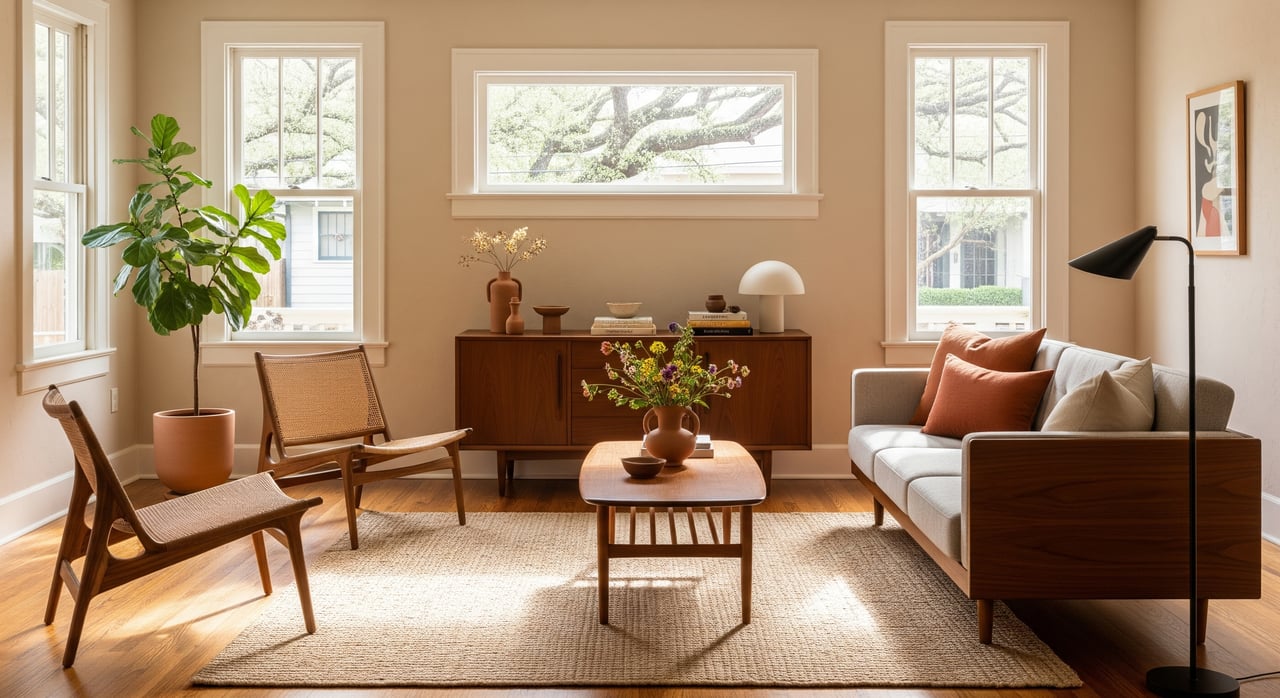
- Living room: This is often the top priority for buyers and their agents. Keep it bright, simple, and scaled to the room.
- Primary bedroom: Aim for calm and hotel‑clean. Neutral bedding, matching lamps, and uncluttered nightstands.
- Kitchen: Clear counters, a few functional items, and one fresh accent like a bowl of citrus.
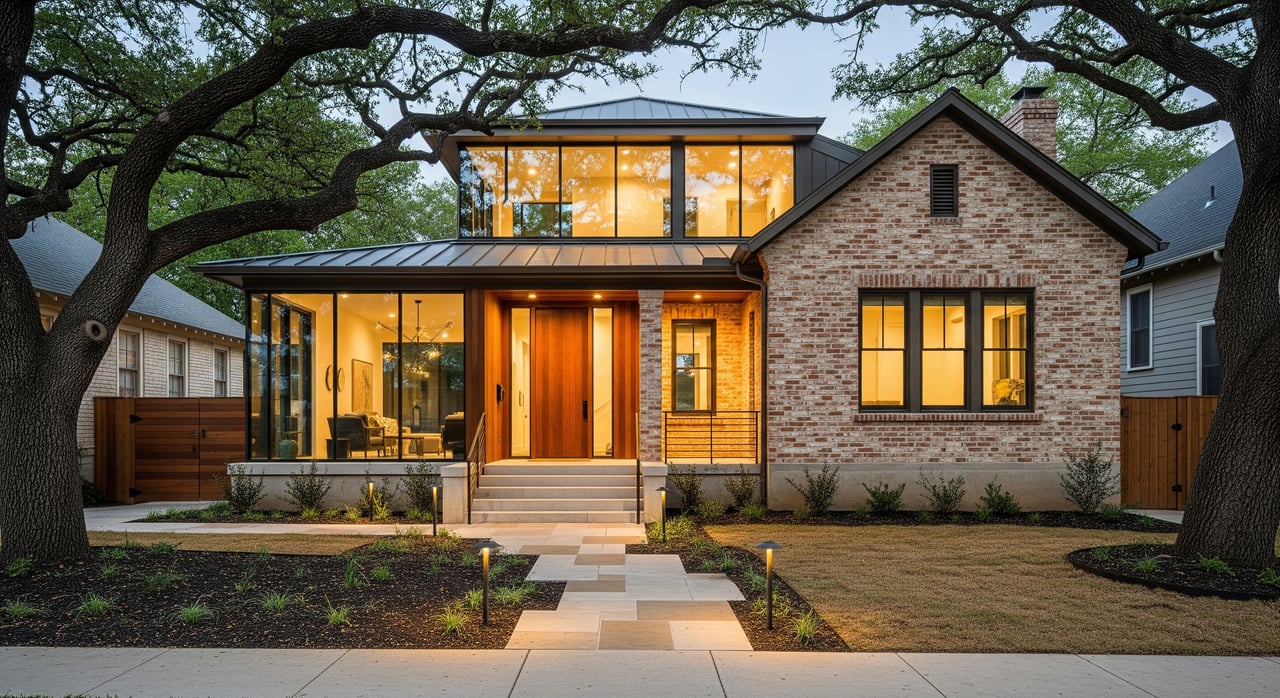
- Front entry and curb appeal: Buyers form quick impressions at the curb and the door.
For more on where staging makes the biggest difference, see industry summaries of NAR’s findings.
Budgets and timelines that work
- Minimal or DIY, 0 to 1,000 dollars: Deep clean, declutter, touch‑up paint, swap dated hardware, and use your existing furniture.
- Partial professional, 1,000 to 5,000 dollars: Stage key rooms or rent furniture for the main areas for 30 to 60 days.
- Full staging, 3,000 to 12,000 plus: Best for vacant or higher‑end listings. Weigh cost against carrying costs and time on market. See cost ranges in this staging cost overview.
Suggested timeline:
- 2 to 4 weeks out: Declutter, repair, touch up paint, deep clean.
- 1 to 2 weeks out: Install staging, tidy landscaping, and style the porch.
- Photo week: Complete staging before professional photos.
Photo strategy and virtual staging
Great photos are non‑negotiable. Staging and professional photography tend to attract more online views. If you use virtual staging, follow disclosure rules. Many MLS systems require clear labels and often the original image alongside the virtually staged version. Review best practices in these MLS disclosure guidelines.
Historic districts and exterior tweaks
If your home sits in a designated historic district or has landmark status, exterior changes may require review by the City of Austin. Interior staging is normally unrestricted, but confirm any exterior plans with the Historic Preservation Office before you start.
Quick Central Austin staging checklist
- Declutter and depersonalize throughout.
- Repair, clean, and neutralize paint where needed.
- Right‑size furniture to fit the room.
- Highlight original features like built‑ins and hardwoods.
- Define outdoor rooms with shade and simple seating.
- Prioritize living room, primary bedroom, kitchen, and entry.
- Invest in professional photos. Disclose any virtual staging.
- Refresh curb appeal with mulch, trimmed shrubs, and native planters. Use resources from the Lady Bird Johnson Wildflower Center to choose plants.
A tailored staging plan strengthens your pricing power in a market with more options for buyers. If you want an approach that blends style with data and negotiation strategy, connect with John Kossler for a staging and pricing plan built for Central Austin.
FAQs
Is staging worth it for Central Austin sellers in 2025?
- Yes. With more inventory and a more balanced market, staged listings stand out and can reduce time on market, supported by local reporting on current conditions and industry research on staging priorities.
How should I stage a small Central Austin bungalow living room?
- Choose smaller‑scale seating, center a correctly sized rug, keep built‑ins visible, and limit decor so the room feels open and functional.
Are there rules for exterior changes when staging a historic Central Austin home?
- Interior staging is typically fine, but exterior alterations in historic districts may require review, so confirm with the City’s Historic Preservation Office before making changes.
Can I use virtual staging for a vacant home in Austin?
- Yes, but label images clearly and follow MLS rules, which often require the original photo alongside the staged version as outlined in these MLS disclosure guidelines.
What are the best low‑cost curb appeal moves for Austin’s climate?
- Tidy beds, fresh mulch, trimmed shrubs, a couple of native planters, and a clean, well‑lit porch. For plant ideas, use the Lady Bird Johnson Wildflower Center.