If you are thinking about selling in Circle C Ranch, it is easy to wonder which updates are actually worth the money. In a neighborhood with strong curb appeal standards, mature homes, and buyers who have options, not every project will help your bottom line. The good news is that you do not need to guess. A focused plan can help you spend where it matters most and avoid over-improving. Let’s dive in.
Why smart updates matter in Circle C Ranch
Circle C Ranch is a large, HOA-managed community with 5,622 homes, four pools, six pocket parks, a community center, and trail access including the Violet Crown Trail, Slaughter Creek Trail, and the Veloway, according to the Circle C Ranch 2025 annual report. In a neighborhood like this, buyers often notice condition quickly because the surrounding homes and common areas set a clear baseline for presentation.
That same report notes that the ACC reviewed 242 residential projects in 2024, which tells you something important as a seller. Exterior work is common here, but it is also regulated. If you plan to make visible outdoor changes before listing, timing matters almost as much as the project itself.
The broader market also supports a selective approach. In February 2026, Unlock MLS reported 6.6 months of inventory in Travis County and 6.2 months in the City of Austin, with average close-to-list ratios of 91.9% and 92.1%. Buyers are still active, but they are comparing options carefully and paying attention to condition.
Start with maintenance first
Before you think about cosmetic upgrades, handle the items that could raise questions during showings or inspections. In a more balanced market, deferred maintenance tends to stand out. Buyers may forgive dated finishes more easily than visible wear, neglected systems, or obvious repair issues.
A strong first step is to look for practical fixes such as:
- roof concerns or missing shingles
- damaged screens
- dirty gutters
- worn caulking
- sticking doors
- chipped trim
- cracked light fixtures
- minor fence repairs
- faded hardware
This approach lines up with the broader remodeling data. The 2025 Remodeling Impact Report notes that many homeowners remodel to address worn-out surfaces and materials, improve efficiency, or prepare to sell within two years. If your sale is likely in the next 6 to 18 months, maintenance is usually the most defensible place to begin.
Focus on curb appeal early
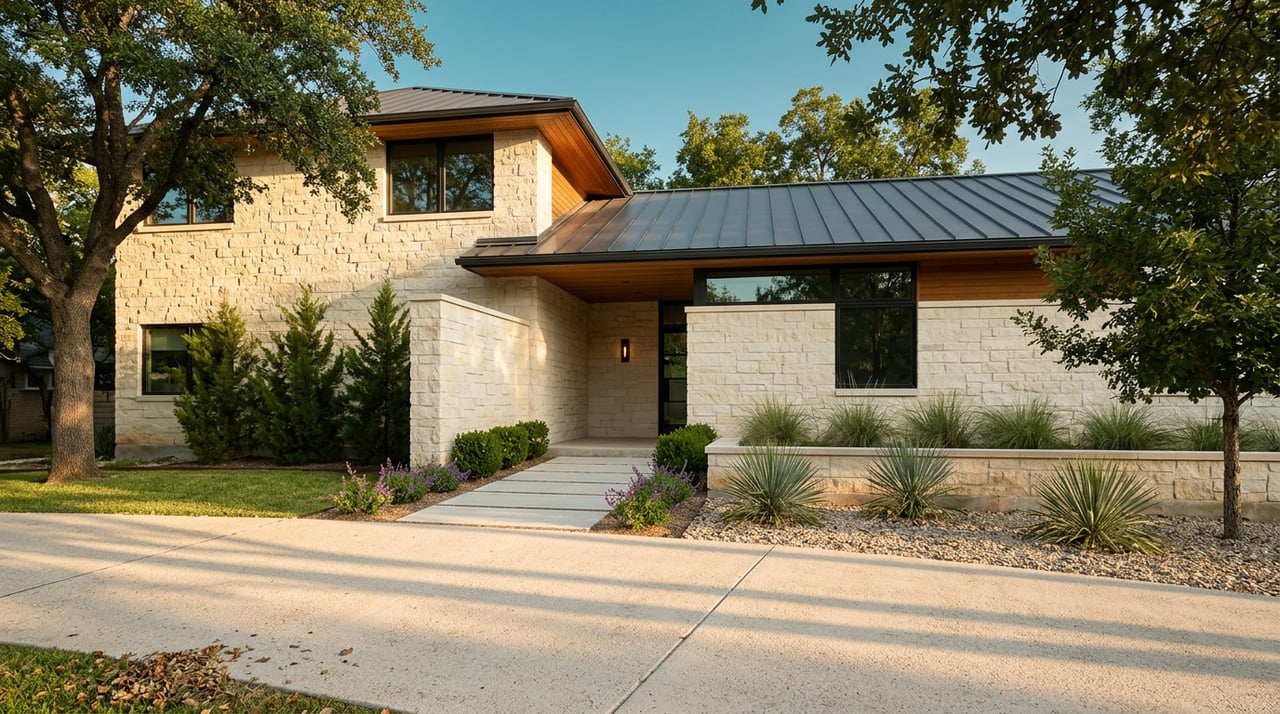
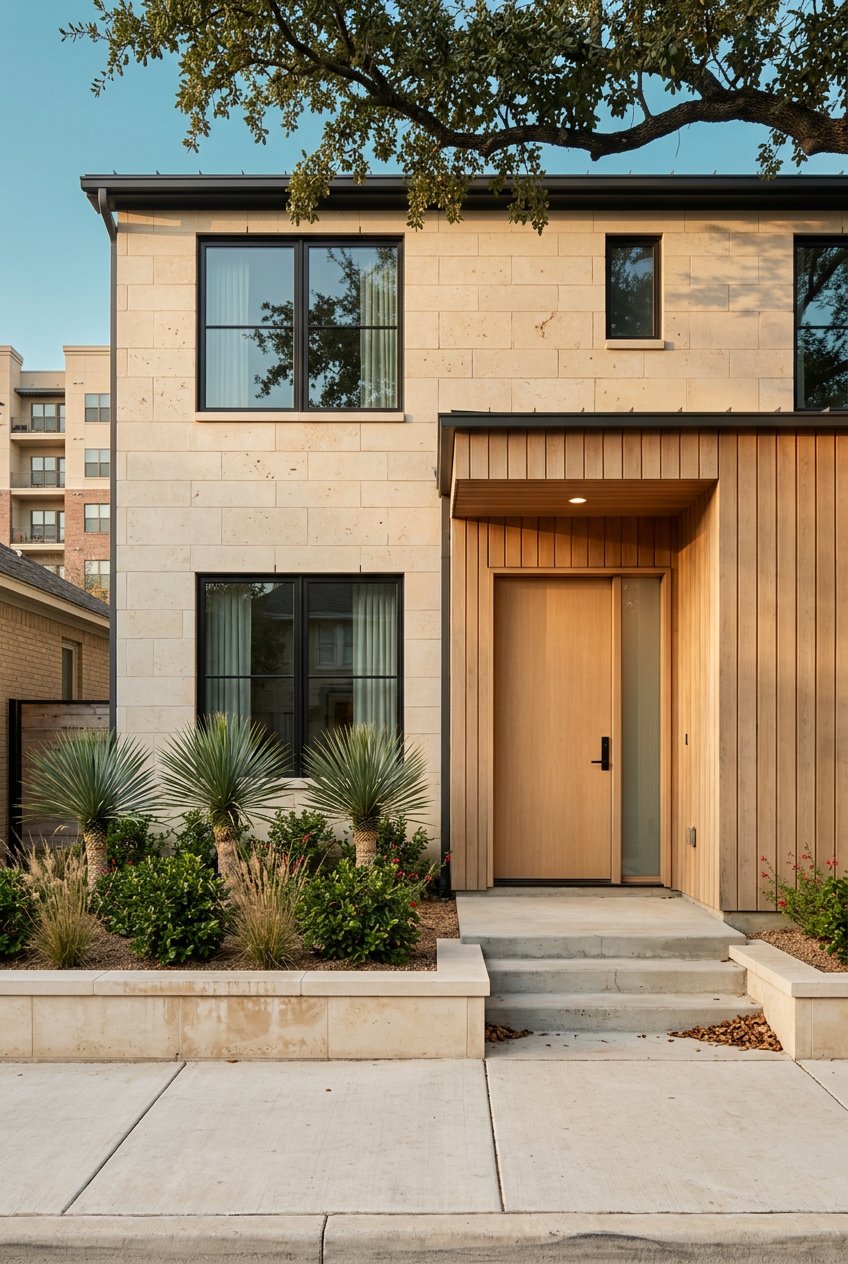
If one category deserves early attention in Circle C Ranch, it is curb appeal. In the 2025 NAR outdoor-features report, 92% of REALTORS said they recommend curb appeal improvements before listing, and 97% said curb appeal is important to attracting a buyer.
That matters even more in Circle C because the neighborhood has a well-defined exterior character. The HOA emphasizes water conservation, drought-tolerant vegetation, limited turf, tree diversification, rock work, and drip irrigation in its landscape model. A front yard that looks tidy, low-maintenance, and in step with that style can make a strong first impression.
The best curb appeal updates are often simple:
- pressure washing walkways and hard surfaces
- adding fresh mulch
- trimming shrubs and tree limbs
- replacing dead plants
- cleaning windows
- refreshing the front door
- updating entry hardware
- repairing visible wear around the porch
These are the kinds of improvements that help your home feel cared for without pushing you into a full redesign.
Know which exterior projects need HOA approval
In Circle C Ranch, timing can affect return just as much as cost. The ACC FAQs say that exterior paint color changes, roof replacement, fence changes, and substantial front-yard landscape changes must be approved before construction, and the committee can take up to 30 days to review plans.
That means exterior projects should start with an approval check, not a contractor deposit. If you wait too long, you may create stress right before listing or end up skipping a useful improvement because the timeline no longer works.
There is also a helpful distinction in the rules. The ACC states that trees, flowers, shrubs, and general landscaping do not need approval, which makes routine yard cleanup one of the fastest ways to improve appearance without paperwork. On the other hand, color changes, hardscape work, or major front-yard revisions may require more lead time.
Choose high-payoff exterior upgrades carefully
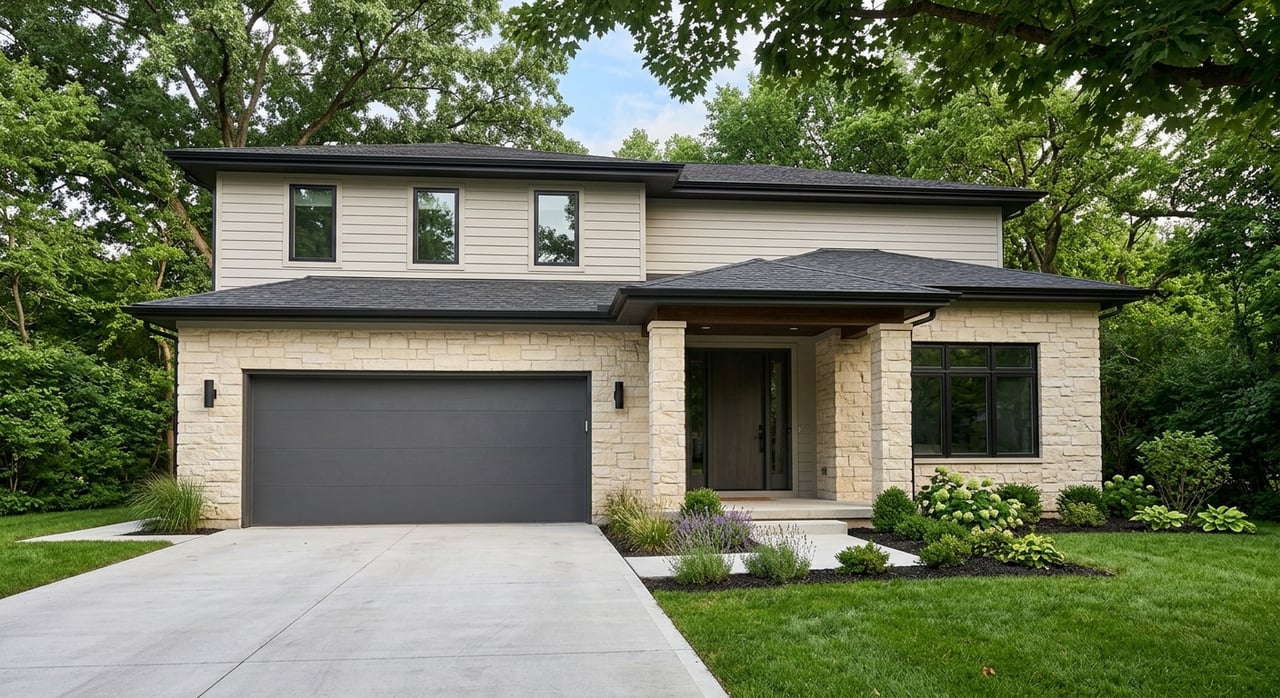
If your home needs a larger exterior improvement, prioritize projects with stronger resale potential. According to NAR remodeling guidance, roofing and garage door replacement each show 100% cost recovery, followed by fiber-cement siding at 86%, vinyl siding at 82%, steel front doors at 63%, and fiberglass front doors at 60% in the NAR remodeling article.
That does not mean every seller should replace a roof or garage door. It means that when those items are already worn, replacing them may be smarter than spending the same money on highly customized design choices.
Circle C’s guidelines also make neutral decisions easier. The ACC notes that repainting or reroofing in the same color scheme does not require review, while color changes do. The guidelines also state that exterior colors should be neutral or light and that roofs must use architectural dimensional shingles, not three-tab shingles. In many cases, staying within the existing scheme is the more efficient path.
Put flooring near the top of your list
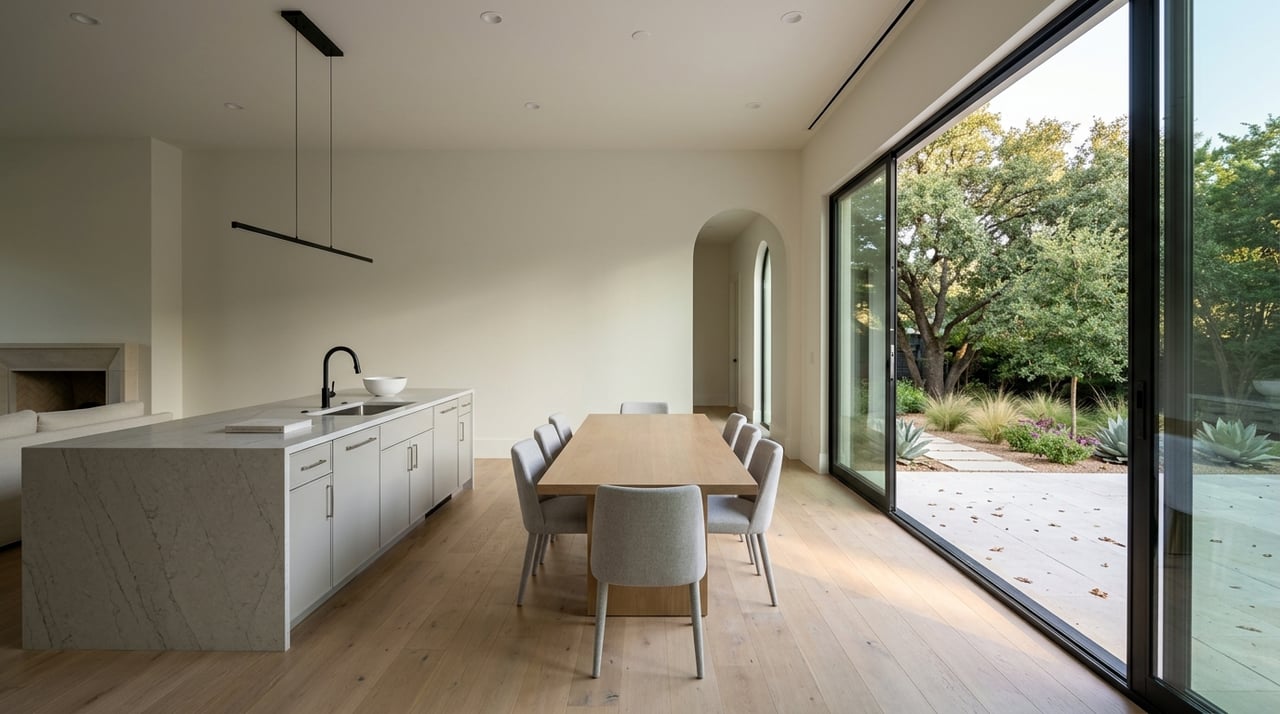
Inside the home, flooring is often one of the best places to invest. Buyers notice it immediately, and worn floors can make the whole house feel more dated than it is. NAR estimates 147% cost recovery for hardwood floor refinishing and 118% for new wood flooring in the same remodeling guidance.
If your floors are scratched, stained, mismatched, or simply tired, this is usually a stronger move than chasing trend-driven upgrades. Clean, cohesive flooring helps the home photograph better, show better, and feel more move-in ready.
For many Circle C sellers, the practical order is simple:
- Repair damaged flooring
- Refinish hardwoods if possible
- Replace worn sections when needed
- Keep the look consistent from room to room
Refresh kitchens and baths, do not overbuild
Kitchens and baths still matter, but the numbers support restraint. NAR estimates 75% cost recovery for a complete kitchen renovation, 67% for a kitchen upgrade, 71% for a bathroom renovation, and only 56% for adding a new primary suite in the same remodeling guidance.
In a market where buyers have options and close-to-list ratios are hovering around 92%, it often makes more sense to refresh rather than fully rebuild. You want the home to feel current and well maintained, not overly personalized for a price point the neighborhood may not support.
A smart refresh might include:
- painted or repaired cabinetry if the style still works
- shaker-style cabinet doors
- brushed-nickel bar pulls
- quartz countertops
- updated lighting
- new mirrors or plumbing fixtures
- ceramic or porcelain backsplash tile
- fresh neutral paint
These finishes align with the remodeling trends NAR identified, and they fit the neutral, broad-appeal look that tends to perform well in resale.
Keep your style neutral and durable
In Circle C Ranch, broad appeal matters more than bold design statements. NAR notes that neutral exterior colors remain the most common, with accent colors typically limited to the front door or shutters. That approach also lines up with the HOA guidance in the neighborhood.
Inside, durable and neutral finishes usually give you the best chance of appealing to a larger pool of buyers. If you are preparing to sell, this is usually not the moment for highly specific tile, dramatic cabinet colors, or a layout overhaul that may not be reflected in nearby comparable sales.
A good rule is to ask whether the update makes your home look cleaner, more current, and easier to live in. If the answer is yes, it is probably worth considering. If the update is mostly about personal taste, the return may be less predictable.
Do not skip staging and presentation
Once the physical updates are complete, presentation becomes the next value driver. According to the 2025 NAR staging report, the living room, primary bedroom, and kitchen are the most important rooms to stage. The report also found that 49% of sellers’ agents said staging reduced time on market, and the median cost for a staging service was $1,500.
If full staging is not in the budget, decluttering, simplifying furniture layouts, and correcting visible flaws are still worthwhile. Clean presentation supports better photography, stronger online interest, and a better in-person showing experience.
For a Circle C listing, the final pre-market steps usually look like this:
- declutter and depersonalize
- stage key rooms
- schedule professional photography
- highlight strong exterior shots
- make sure the home feels bright and well maintained
A practical 6 to 18 month update plan
If you are selling within the next 6 to 18 months, a phased approach can keep your spending disciplined.
Phase 1: Maintenance and approvals
Start with repairs, worn-out items, and any exterior project that may need HOA review. If you are considering roof work, a fence change, a new paint scheme, or significant front-yard changes, check the ACC process first.
Phase 2: Curb appeal
Next, improve the front yard and entry. Focus on cleanup, mulch, trimming, pressure washing, and simple landscaping that does not require approval.
Phase 3: Flooring and paint
Then address flooring and interior paint. These updates have a broad visual impact and tend to support both resale value and marketability.
Phase 4: Kitchen and bath refreshes
If the budget allows, make modest kitchen and bath improvements that align with neighborhood expectations. Avoid over-customization unless the comparable sales clearly support it.
Phase 5: Staging and media
Finish with staging, photography, and a polished launch plan. Once the home is ready, strong presentation helps every earlier dollar work harder.
The goal is better return, not bigger renovation
In Circle C Ranch, the best pre-sale updates are usually the ones that reduce buyer objections and make the home feel clean, current, and well cared for. In today’s market, that is often more effective than a large renovation with uncertain payback.
If you want help deciding which projects make sense for your home, John Kossler can help you weigh likely return against timing, comparables, and Circle C’s HOA process so you can move forward with a clear, data-driven plan.
FAQs
What home updates add the most value before selling in Circle C Ranch?
- The most practical high-value updates are usually maintenance items, curb appeal improvements, flooring updates, and modest kitchen or bath refreshes that make the home feel move-in ready.
What exterior projects in Circle C Ranch need HOA approval?
- According to the ACC FAQs, paint color changes, roof replacement, fence changes, and substantial front-yard landscape changes require approval before work begins.
What landscaping changes in Circle C Ranch can I do without HOA approval?
- The ACC states that general landscaping such as trees, flowers, shrubs, and ordinary yard work does not require approval.
Should I renovate my kitchen before listing a home in Circle C Ranch?
- In many cases, a modest kitchen refresh is a better choice than a full renovation because it can improve appeal without over-improving for the current market.
How far ahead should I plan updates before selling a home in Circle C Ranch?
- A 6 to 18 month window is often ideal because it gives you time to handle repairs, complete HOA-sensitive exterior work, and prepare the home for staging and photography.
Does staging help homes sell faster in the Austin area market?
- Yes. NAR’s 2025 staging report found that 49% of sellers’ agents said staging reduced time on market, with the living room, primary bedroom, and kitchen viewed as the most important rooms to stage.