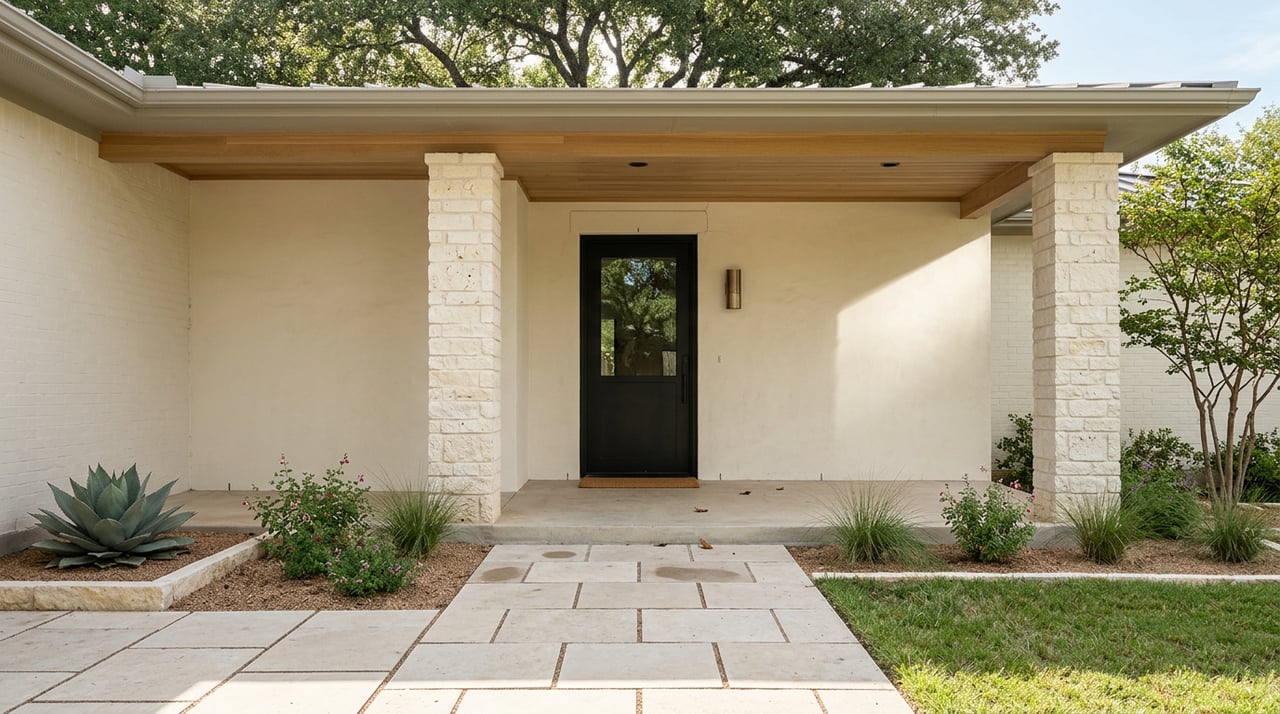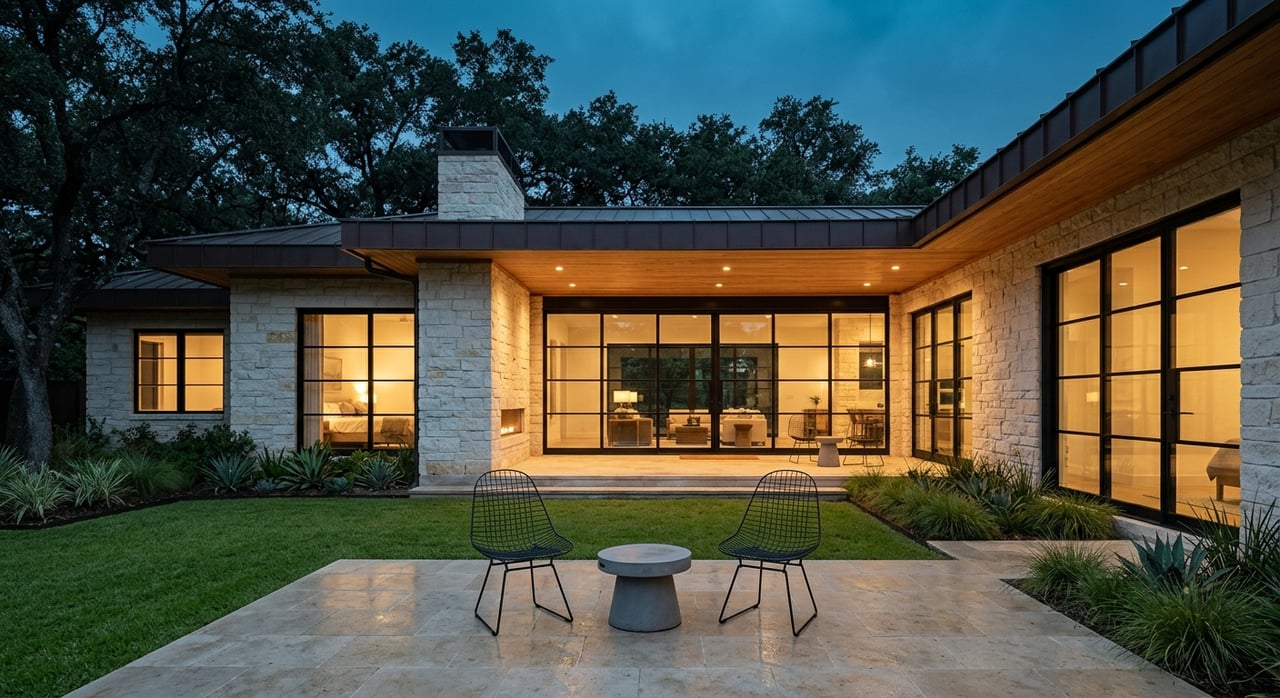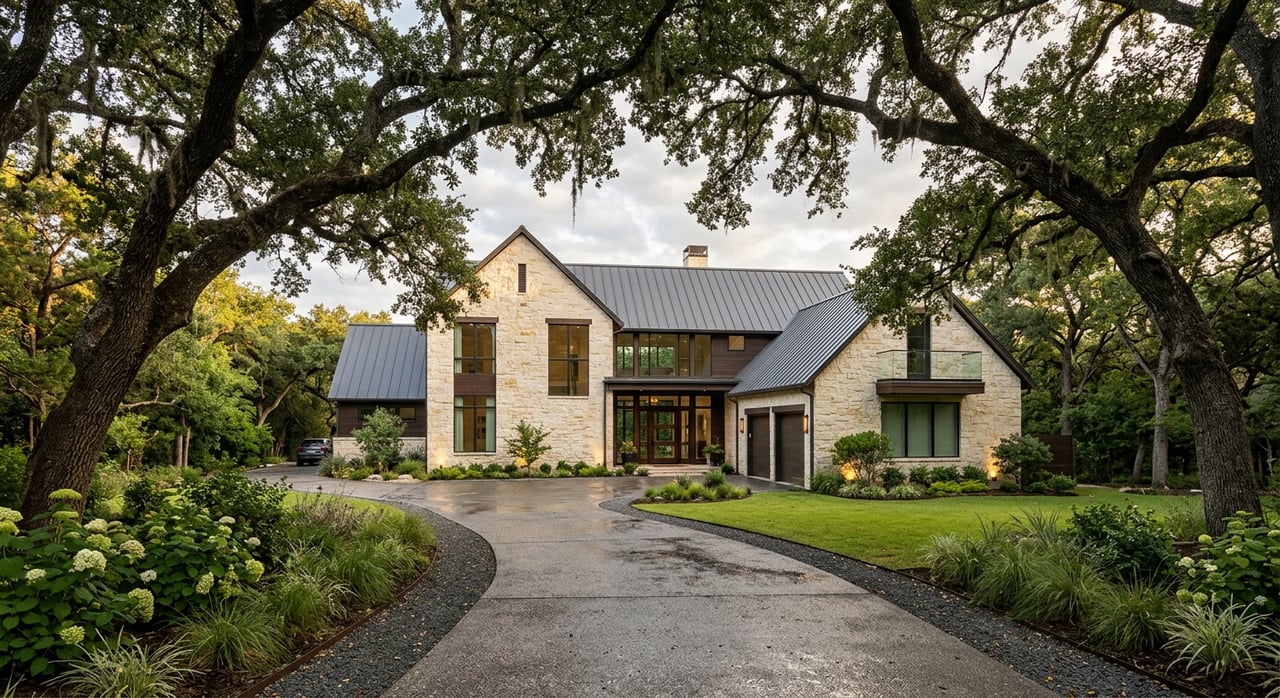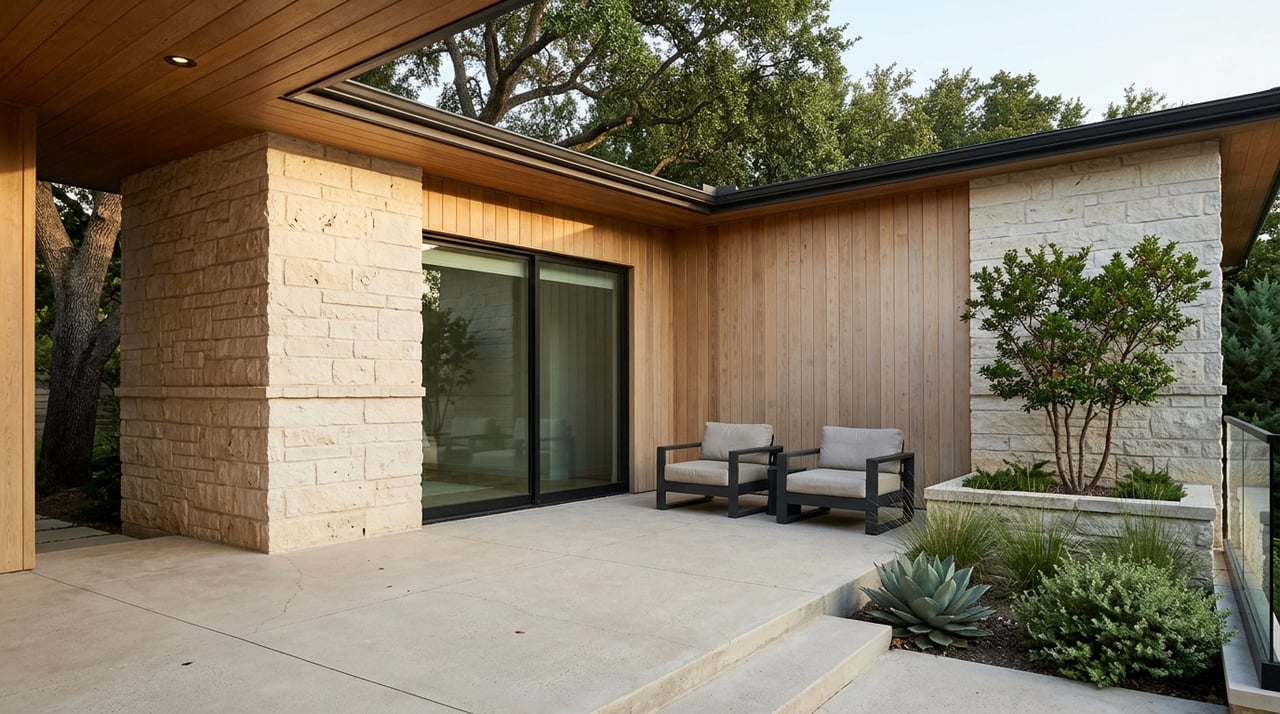
When two West Lake Hills homes look similar on paper, the difference in value often comes down to what you can see and how private the property feels. In a small, high-price market, those details are not cosmetic. They can shape buyer demand, pricing power, and how long a home takes to sell. If you are buying or selling here, understanding how views and privacy interact can help you make smarter decisions. Let’s dive in.
Why West Lake Hills Is Different
West Lake Hills is not a typical suburban market. It is a compact municipality of about 4 square miles with roughly 1,000 homes, 40 miles of public streets, rugged terrain, dense foliage, unspoiled creeks, and relatively low population density.
Those physical features are a major part of the housing product. In West Lake Hills, elevation, tree cover, and street placement do more than shape curb appeal. They influence what buyers are willing to pay.
The recent numbers help frame the conversation. Over the three months ending May 2026, the median sale price was $2,208,678, up 7.7% year over year. Zillow also reported a typical home value of $2,093,317 as of May 31, 2026, with 21 active listings and a median list price of $2,568,758, while Redfin reported 62 days on market.
Views Are A Core Value Driver
In many markets, a view is a nice bonus. In West Lake Hills, it is often one of the central drivers of value.
City materials consistently describe the area through its terrain, beautiful views, foliage, and preservation of neighborhood character. That matters because it tells you that sight lines and elevation are built into how the market sees quality.
Research outside the local market also supports the idea that views can carry meaningful premiums. A review of view studies found street-level view premiums in the 4.9% to 9.29% range, average neighborhood-park view premiums of 5.6%, and even higher premiums in some residential garden settings.
Using West Lake Hills’ recent median sale price as a simple illustration, a 4.9% to 9.29% premium would equal about $108,225 to $205,186. That does not mean every view is worth that amount. It shows why even a modest difference in view quality can move value by six figures in this price range.
Not All Views Carry The Same Weight
Buyers do not value every view equally. The quality, width, and permanence of the sight line matter.
A broad, protected ridge or skyline view will usually be more compelling than a narrow peek between trees or rooftops. Likewise, a view that feels stable over time tends to matter more than one that could be softened by vegetation growth or changes on nearby lots.
That is why citywide averages can only tell you so much. In West Lake Hills, the true value of a view is best measured against homes with very similar locations, elevations, and lot orientations.
Privacy Matters Just As Much
Privacy is not a vague lifestyle feature in West Lake Hills. It is part of the local planning framework and a real market factor.
The city says its master plan gives high priority to native trees, shrubs, wildlife, and individual privacy in building projects and land use. The tree ordinance also states that vegetation rules are intended to help preserve property values and the area’s scenic rural and wooded character.
That means privacy is often created by the land itself. Lot position, slope, tree screening, setback, driveway length, and street exposure all shape how private a home feels when you arrive and when you live in it.
How Privacy Shows Up In Pricing
In practical terms, buyers often respond strongly to homes that feel tucked away without feeling cut off. A house that sits above the street, behind mature canopy, with limited direct sight lines from neighbors or passing traffic, can create a very different emotional response than a similar home on a more exposed site.
The city’s development framework reinforces that pattern. Setback rules vary by zoning district and lot size, and single-family parcels of 0.5 acre or larger are limited to 25% impervious cover. Those rules can help preserve spacing, landscape presence, and the lower-density feel that many buyers want.
The city’s outdoor-lighting standards also aim to reduce glare and light trespass while protecting the nighttime visual environment. That adds another layer to privacy because lower-exposure sites often feel calmer and more shielded after dark.
Tree Canopy Adds More Than Beauty
Tree cover is a major part of the West Lake Hills experience, but it also has measurable market relevance. A USDA Forest Service meta-analysis found a positive relationship between tree cover and home values, with stronger effects in neighborhoods that had more than 25% tree cover.
Interestingly, the research found that off-property tree cover can matter even more than the trees on the homeowner’s own lot. In a place like West Lake Hills, that makes sense. Buyers often respond not just to one landscaped yard, but to the broader setting of wooded streets, screened views, and surrounding canopy.
This is one reason privacy and views should not be treated as separate boxes. In some cases, mature canopy enhances privacy while framing a beautiful outlook. In others, it can soften or block a premium view. The balance matters.
The Tradeoff Between Screening And Maintenance
More vegetation is not always better. In West Lake Hills, dense screening only adds value when it is maintainable, attractive, and compliant with local standards.
The city actively manages vegetation removal and wildfire preparedness. It participates in Firewise and asks residents to think about wildfire prevention near the structure, which means buyers often place higher value on lots that feel private but also look clean, defensible, and well kept.
That distinction matters for both buyers and sellers. Overgrown vegetation can reduce usability and raise concerns, while thoughtful screening can create privacy without making the property feel risky or hard to maintain.
Why Citywide Medians Miss The Real Story
West Lake Hills is a small market. Only 10 homes sold in May 2026, and the active listing base has been limited.
When sales volume is that low, broad market medians can hide major differences between individual properties. Two homes may sit in the same city and similar price band, but if one has a protected view corridor and strong screening while the other has higher street exposure and less privacy, the value gap can be meaningful.
This is why feature-level pricing in West Lake Hills should rely on paired-sales analysis within closely matched micro-locations. Looking only at the citywide median can lead buyers to overpay or sellers to underprice.
How To Compare Homes More Accurately
If you are evaluating a home in West Lake Hills, the best comp set usually matches more than beds, baths, and square footage. It should also line up on the features that shape how the property lives and what buyers are really paying for.
Focus on these factors:
- Elevation and how it affects outlook
- View quality and whether the sight line feels broad or limited
- View permanence based on surrounding conditions
- Tree screening on and around the lot
- Setback and spacing from nearby homes
- Street exposure including traffic, visibility, and approach
- Driveway length and lot position that influence arrival and privacy
When several of those advantages show up together, premiums tend to be stronger. When only one is present, the added value is often smaller.
What Sellers Should Take From This
If you are selling in West Lake Hills, your pricing and marketing strategy should highlight the exact combination of features that creates value. A generic description like “private lot” or “great views” is usually not enough in this market.
Buyers in the upper-mid and luxury range tend to notice nuance. They want to understand whether the view is wide or filtered, whether privacy comes from smart siting or heavy vegetation, and how the property feels from the street to the backyard.
This is also where presentation matters. Professional photography, strong exterior angles, and thoughtful storytelling can help show how a home captures sight lines, canopy, and separation from surrounding properties.
What Buyers Should Watch Closely
If you are buying, do not assume every elevated lot carries the same long-term value. One property may offer a more compelling combination of view, privacy, and manageable landscaping than another that looks similar online.
Walk the approach. Stand in the main living spaces. Look at neighboring rooflines, tree placement, and street visibility. Pay attention to how private the outdoor areas feel and whether the view is central to daily living or only visible from one corner of the house.
A disciplined comparison process can help you avoid paying a premium for a feature that is less meaningful in person than it first appears.
The Bottom Line On Value
In West Lake Hills, views and privacy are not side notes. They are often among the biggest drivers of what a property is worth.
The strongest premiums usually appear when a home combines elevation, a protected view corridor, mature canopy, and low street exposure. In a market where inventory is limited and sales volume is low, that combination can shift value by six figures even when citywide numbers do not make it obvious.
If you want a sharper read on how your home compares, or how to evaluate a property before you make an offer, working with a local, data-driven approach matters. For tailored guidance on West Lake Hills pricing, positioning, or a free valuation, connect with John Kossler.
FAQs
How do views affect home values in West Lake Hills?
- Views can be a major value driver because West Lake Hills is shaped by rugged terrain, elevation, and sight lines. Broad, high-quality, and more permanent views typically carry stronger premiums than limited or less protected views.
How does privacy influence West Lake Hills home prices?
- Privacy often shows up through lot position, tree screening, setback, driveway length, and lower street exposure. Homes that feel more sheltered and less visible to neighbors or traffic may attract stronger buyer demand.
Why are tree canopy and screening important in West Lake Hills?
- Tree canopy helps define the area’s wooded character and can support value. It often improves privacy and setting, especially when the vegetation is well maintained and works with the home’s view and usability.
Why are local comps so important in West Lake Hills pricing?
- West Lake Hills is a small, high-price market with limited sales and inventory, so citywide medians can hide major property differences. The most reliable pricing usually comes from comparing homes with similar elevation, views, screening, and street setting.
What should sellers emphasize when marketing a West Lake Hills home?
- Sellers should clearly show how the property’s views, privacy, canopy, and street position work together. Precise pricing and strong visual presentation can help buyers understand why those features matter.